
Choosing gorilla or chimpanzee tracking starts with the animal you most want to observe. Neither experience is automatically better, easier or more rewarding. The right choice depends on your interests, walking ability, available time and the participation rules at your chosen destination.
Start with your preferred primate, then check whether the permits, route and practical arrangements work for you. If both appeal, compare a combined itinerary with a trip focused on just one activity.
Gorilla or chimpanzee tracking: which suits your priorities?
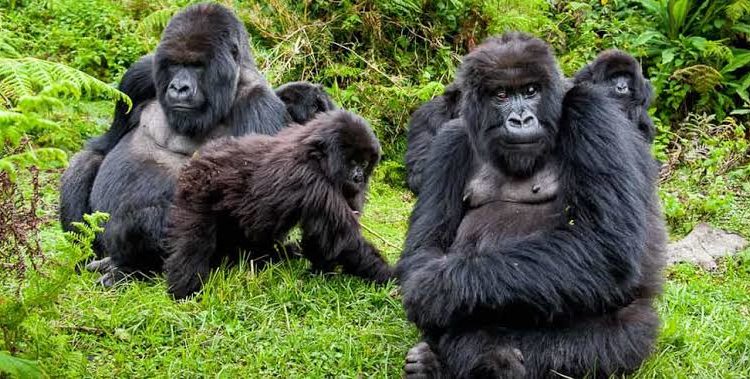
Before comparing itineraries, ask yourself which animal you would most regret missing. Then consider what else matters: photography, learning about primates, time in the forest or room for other safari activities.
| Your priority | How to approach the choice |
|---|---|
| Seeing gorillas | Prioritise gorilla trekking, then check the walking requirements, permits and route. |
| Observing chimpanzees | Make chimpanzee tracking your focus rather than treating it as a substitute for gorillas. |
| Manageable walking | Ask about the specific terrain and variability of the activity. Do not assume either option is easier. |
| Photography | Discuss equipment, restrictions and viewing expectations. Neither activity can promise a particular image. |
| Limited time or a fixed budget | Compare complete itineraries, including transfers, overnight stays and all quoted costs. |
| An interest in both animals | Check whether combining activities leaves enough time for travel, rest and your other priorities. |
If you are travelling with others, compare preferences and practical limits early. A shared first choice makes planning simpler; different interests may be a reason to explore both activities.
Choose gorilla trekking if gorillas are your main reason to travel
A strong interest in gorillas is the clearest reason to prioritise gorilla trekking. It is a better starting point than assuming the activity will be quieter, easier or better for photographs than chimpanzee tracking.
Assess the whole day, not only the wildlife encounter. The briefing, approach, walking conditions and onward travel all affect how the experience fits your trip.
Research the destination, then confirm the details
Start with how to see Rwanda gorillas for destination context. Note what still needs confirmation for your dates: the proposed trekking location, permit arrangements, reporting instructions and accommodation position.
If you are considering Bwindi, the Bwindi road trip and route guide can help you think through how the visit fits into a wider journey. A destination guide supports your research; a current itinerary should explain the arrangements for your trip.
Do not confuse the Virunga Mountains with Virunga National Park
The Virunga Mountains and Congo’s Virunga National Park are distinct references, not interchangeable destination names. Do not assume that reading about either means a proposed visit is currently possible.
Confirm current access, relevant travel advice, entry requirements and operational arrangements before making commitments, particularly for travel involving DR Congo.
Choose chimpanzee tracking if chimpanzees interest you most
Chimpanzee tracking deserves consideration in its own right. If chimpanzees are the animals you most want to understand and observe, give that preference proper weight.
Movement and visibility matter when observing primates in a forest. Ask how walking, searching and observation fit into the proposed activity rather than expecting clear, prolonged views or particular behaviour.
The guide to chimpanzee trekking in Kibale is a useful starting point. Use it to develop questions, then confirm the current arrangements for your intended dates.
If photography is a priority, explain this during planning. Ask about camera restrictions and choose equipment you can comfortably carry while walking.
Compare walking demands and participation requirements
Neither activity should be treated as a standard walk with a fixed level of difficulty. Describe your walking ability honestly, including concerns about balance, knees, stamina or uneven ground.
Ask for practical detail rather than relying on a label such as “moderate”. Useful questions include:
- What terrain and walking conditions should I prepare for?
- How variable can the walking time be?
- What happens if I cannot continue?
- Are any assistance arrangements available, and what do they involve?
- What age, health or other participation requirements apply?
- What clothing, footwear and equipment are recommended?
Do not assume that assistance, an easier route or a particular allocation can be provided. Confirm what is possible for the proposed location and date.
Health, family travel and responsible conduct
Ask about current health guidance and what to do if you feel unwell before the visit. Follow the briefing and instructions during the activity, including rules on distance, photography and movement around the animals.
For family travel, confirm each child’s eligibility before building the itinerary around a primate activity. If someone cannot participate, ask how their day would be arranged rather than assuming an alternative is included.
Keep expectations realistic: wild animals do not follow a schedule. Neither a description nor a photograph can promise the behaviour, visibility or conditions you will encounter.
Check permits, total costs and travel arrangements
Once you have a preferred focus, check whether it is practical for your dates. A general guide cannot confirm a permit, departure or access.
Request a written proposal that clearly sets out:
- The activity: the destination and exact experience being proposed.
- Permits: current costs, availability, booking steps and applicable terms.
- Transport: pick-up arrangements, transfers and the full route.
- Accommodation: where each stay sits in relation to the activity.
- Inclusions: which meals, transfers, fees and other items are covered.
- Changes: cancellation terms and what happens if plans are disrupted.
Compare total trip costs, not permit figures alone. Travel days and overnight stops can change whether an otherwise appealing option suits your time and budget.
When choosing dates, ask about current availability and expected walking conditions for the proposed destination. Confirm participation requirements and terms before making non-refundable arrangements.
Should you choose one experience or combine both?
Choosing one primate experience can give a shorter trip a clear purpose. It may also leave more room for other interests, without turning every available day into a transfer or scheduled activity.
Combining gorilla trekking and chimpanzee tracking is worth discussing if both genuinely interest you. Ask for an itinerary that shows travel days and overnight stops clearly, then assess whether the pace feels comfortable. Fitting both activities into a schedule does not necessarily make it the right trip for you.
You can review the 5 Days Uganda Primate Safari as a starting point for itinerary questions. Check its current activity details, availability, inclusions and pace rather than assuming it matches your requirements.
A useful decision rule is to prioritise the animal you most want to see, then test that preference against participation requirements, current availability and the complete route. If the details do not work, consider changing the timing or itinerary before changing your main focus.
Share your priorities before requesting an itinerary
Ask Kite Adventure Safaris Company what current options may fit your plans. Include:
- Your preferred primate experience, or what appeals to you about each.
- Approximate dates and total travel time.
- Group size and any children’s ages.
- Your budget and other safari interests.
- Any walking, health or participation concerns.
These details provide a useful starting point for discussing a safari built around your priorities—not simply a list of activities to fit into the available days.