
KITE ADVENTURE SAFARIS COMPANY · UGANDA
Travel becomes more memorable when the route protects your energy and gives important experiences enough time.
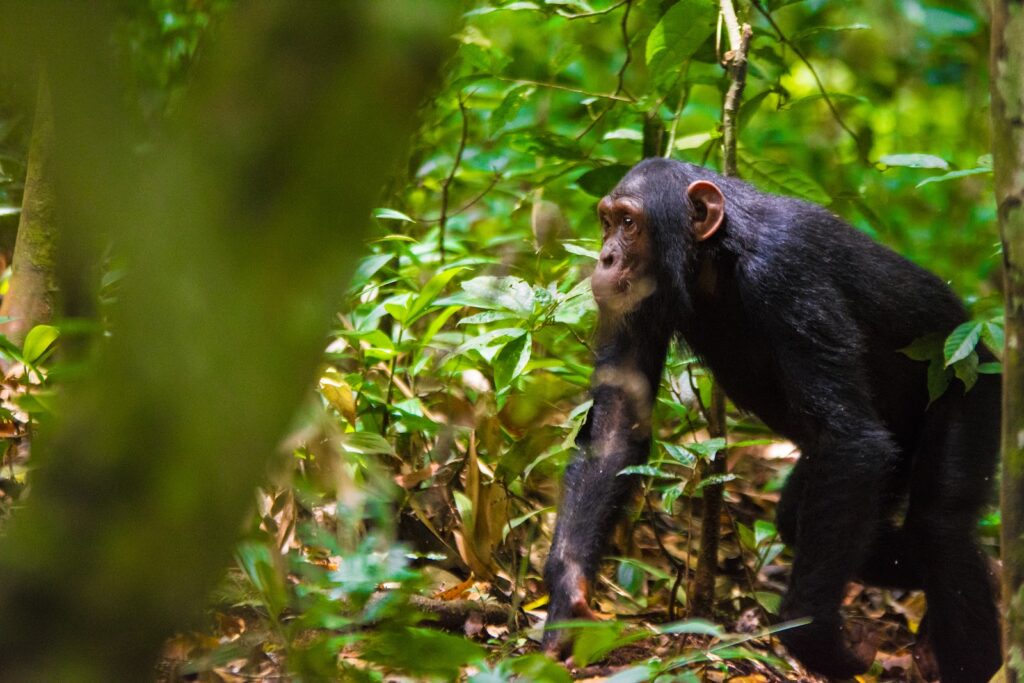
Kibale National Park is best understood through chimpanzee tracking, primates and tropical forest.
This guide focuses on dry season kibale national park uganda with practical decisions, short reading sections and a route-planning approach designed for travellers who want a memorable journey without unnecessary rushing.
Quick planning view
| Destination | Kibale National Park |
|---|---|
| Country | Uganda |
| Focus | dry season kibale national park uganda |
| Best suited to | Small groups |
| Planning priority | Protect the main experience |
Let the destination set the pace
Wildlife, weather, road conditions and local activity times do not always follow a perfect timetable. The aim is quality of experience rather than the number of stops.
An itinerary should create structure without becoming rigid. In Uganda, this choice can change how the whole day feels.
Morning often suits the main activity, while midday can become a useful period for rest, lunch or transfer. Travellers who plan this well usually arrive at the next stop with more energy.
Afternoons work well when they stay flexible enough for a second experience, viewpoint or unexpected opportunity. In Uganda, this choice can change how the whole day feels.
Choose accommodation for location first
A beautiful lodge can still weaken a trip if every day begins with an unnecessarily long drive. Travellers who plan this well usually arrive at the next stop with more energy.
Compare access, service, meal flexibility and distance from the activity you value most. The aim is quality of experience rather than the number of stops.
Couples may prioritise privacy, families may need practical room arrangements, and photographers may need reliable early departures. The aim is quality of experience rather than the number of stops.
The right property should make the destination easier to experience rather than compete with it. Around Kibale National Park, this matters because chimpanzee tracking, primates and tropical forest.
Use your guide’s local judgement
A knowledgeable guide does more than identify animals or point towards landmarks. Around Kibale National Park, this matters because chimpanzee tracking, primates and tropical forest.
The guide interprets behaviour, weather, road conditions, conservation stories and local life. Around Kibale National Park, this matters because chimpanzee tracking, primates and tropical forest.
Explain what interests you early in the journey so the day can respond to your priorities. Travellers who plan this well usually arrive at the next stop with more energy.
Good questions can turn a quiet stretch of road into one of the most informative parts of the safari. The aim is quality of experience rather than the number of stops.
| Time | Useful approach | Reason |
|---|---|---|
| Early morning | Main activity or photography | Cooler conditions and softer light |
| Late morning | Continue at a steady pace | Protects the main experience |
| Midday | Lunch, rest or transfer | Prevents avoidable fatigue |
| Afternoon | Flexible second experience | Lets local conditions guide the day |
| Evening | Slow dinner and preparation | Creates a calmer next morning |
Add culture with care
Community experiences can give a safari more meaning when they are locally led and respectfully organised. The aim is quality of experience rather than the number of stops.
Ask before photographing people and avoid treating everyday life as a staged attraction. Around Kibale National Park, this matters because chimpanzee tracking, primates and tropical forest.
Food, markets, farming, crafts and conversation can be valuable when they fit naturally into the route. In Uganda, this choice can change how the whole day feels.
Give cultural experiences enough time to feel like real encounters rather than quick additions. Travellers who plan this well usually arrive at the next stop with more energy.
Make photography part of the experience
Better photographs usually come from patience rather than constant movement. In Uganda, this choice can change how the whole day feels.
Watch the light, background and behaviour before raising the camera. The aim is quality of experience rather than the number of stops.
Choose a few moments to photograph carefully, then allow yourself time to observe without a screen. Around Kibale National Park, this matters because chimpanzee tracking, primates and tropical forest.
Always follow guide instructions and respect wildlife or community photography rules. Around Kibale National Park, this matters because chimpanzee tracking, primates and tropical forest.
Think about the whole route
A destination becomes stronger when it adds a different mood to the journey. The aim is quality of experience rather than the number of stops.
Combine forest with savannah, city with countryside, or active days with quieter lake or lodge time. In Uganda, this choice can change how the whole day feels.
The next stop should add contrast instead of repeating exactly what you have already done. The aim is quality of experience rather than the number of stops.
This creates a route that feels like a connected story rather than a collection of bookings. The aim is quality of experience rather than the number of stops.
Protect your energy on transfer days
Distance on a map is only part of a travel day. Travellers who plan this well usually arrive at the next stop with more energy.
Road surface, traffic, border procedures, meal stops and activity start times all affect how the transfer feels. In Uganda, this choice can change how the whole day feels.
Avoid planning a demanding experience immediately after a difficult journey unless the timing genuinely works. The aim is quality of experience rather than the number of stops.
Sometimes removing one stop makes the whole itinerary stronger. Travellers who plan this well usually arrive at the next stop with more energy.
Finish the destination properly
The final hours should not feel like an abrupt checkout followed by a long road. The aim is quality of experience rather than the number of stops.
When possible, finish with a short drive, viewpoint, relaxed breakfast, market visit or another experience that reflects the character of the place. The aim is quality of experience rather than the number of stops.
A clear ending helps each destination remain distinct in memory. In Uganda, this choice can change how the whole day feels.
Then allow the next part of the journey to begin at its own pace. Travellers who plan this well usually arrive at the next stop with more energy.
Start with the experience you care about most
Before adding extra stops, decide which experience must remain protected. Travellers who plan this well usually arrive at the next stop with more energy.
That priority should control the order of the day, the location of accommodation and the amount of driving you accept. Around Kibale National Park, this matters because chimpanzee tracking, primates and tropical forest.
Travellers often enjoy a route more when one important activity has enough room around it. In Uganda, this choice can change how the whole day feels.
This approach also makes it easier to remove unnecessary additions before they turn the itinerary into a race. Travellers who plan this well usually arrive at the next stop with more energy.
Travel responsibly in practical ways
Responsible travel is built from small decisions repeated throughout the journey. In Uganda, this choice can change how the whole day feels.
Follow ranger instructions, keep appropriate wildlife distance and avoid feeding or disturbing animals. Travellers who plan this well usually arrive at the next stop with more energy.
Reduce unnecessary single-use items where practical and support local services that offer genuine value. Travellers who plan this well usually arrive at the next stop with more energy.
Respect for people and place should remain part of the itinerary rather than a separate slogan. The aim is quality of experience rather than the number of stops.
Who this journey suits
Kibale National Park can work for first-time visitors, couples, families, photographers and private groups when the pace matches the traveller.
People who enjoy chimpanzee tracking, primates and tropical forest will usually value more time here than travellers using the destination only as a transit stop.
Families benefit from clear breaks and realistic driving. Couples may prefer privacy and slower evenings.
Photographers usually gain more from staying longer in fewer places than from adding another overnight stop.
Packing and practical preparation
Carry comfortable layers, sun protection, a reusable water bottle and a small day bag.
Closed shoes are useful for forest, walking and uneven ground, while a light rain layer is sensible in highland and tropical areas.
Keep passports, permits and confirmations accessible when the day involves park gates, tracking briefings or border formalities.
Charge cameras and phones the night before important activities and keep spare memory or power available.
Questions worth asking before booking
Ask how much actual activity time you will have in Kibale National Park, not only how many nights appear on the itinerary.
Ask where the accommodation sits in relation to the next morning’s activity.
Ask whether the route can adapt to weather, wildlife conditions or your interests.
Ask what is included, what is paid locally and which experiences require permits or advance confirmation.
Final planning advice
A strong Uganda itinerary should make Kibale National Park feel like a meaningful chapter rather than a box to tick.
Each transfer should have a purpose and every major activity should have enough time around it.
If the route feels crowded on paper, it will usually feel even more crowded on the ground.
Kite Adventure Safaris Company can use this framework to shape the final journey around your dates, interests, comfort level and preferred pace.
Frequently asked questions
How long should I allow around Kibale National Park?
Two or three nights can work for many itineraries, but the right length depends on transfers and the main experience. If chimpanzee tracking, primates and tropical forest are central to your trip, add enough time to enjoy them without squeezing the next destination.
Is Kibale National Park suitable for a first trip to Uganda?
Yes, when the route matches your interests and comfort. The most useful comparison is not simply price but how much time the itinerary gives you in Kibale National Park and how realistic the travel days are.
Should I travel privately or in a small group?
Private travel gives more control over timing and photography, while a small group can add companionship and value. The better choice depends on the flexibility you want around Kibale National Park.
What should I prioritise when choosing accommodation?
Location, access, reliable service and meal timing should come before decorative extras. A well-positioned base can give you more useful time for chimpanzee tracking, primates and tropical forest.
Plan this journey with Kite Adventure Safaris Company
Use this guide as a starting point, then build the final route around your travel dates, interests, group size and preferred pace.
Explore safari tours · See destinations · Request a custom safari