
Stargazing on safari in Uganda can be a quiet way to end the day, provided your accommodation permits evening sky observation and conditions are suitable. Treat it as an optional part of your stay rather than a separate excursion or a guaranteed experience.
This guide covers informal observation: looking at the sky from an approved location. It does not confirm any particular property, viewing area, guided astronomy service or equipment. The starting point is simple: ask where you may sit after dark, whether accompaniment is required and how you will return to your room.
How to fit stargazing into your Uganda safari
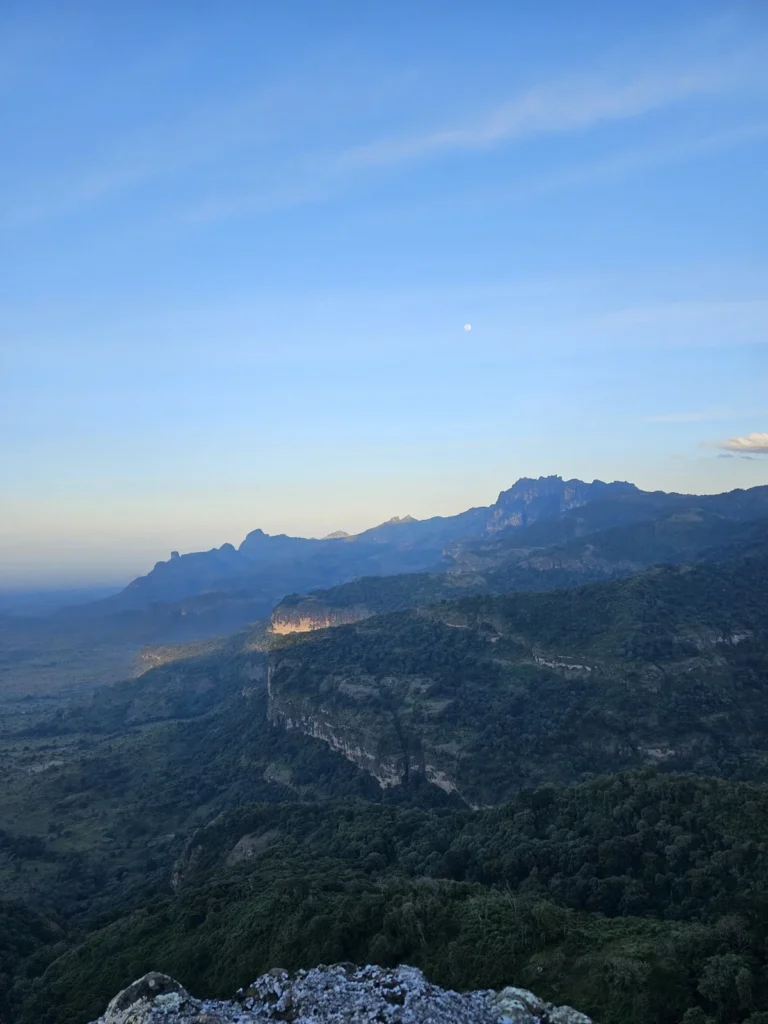
Start with the overnight stops already in your itinerary. Before adding a destination or changing accommodation, check whether a short period outdoors could fit around dinner, rest and your main activities.
Be specific when asking about arrangements. An attractive photograph of lodge grounds does not confirm after-dark access, an open view of the sky or permission to remain outside.
“We would like to spend some quiet time looking at the evening sky, weather permitting. Is there an approved place at our proposed accommodation, and would we need staff accompaniment?”
If you want a telescope, help identifying constellations or support with night photography, ask separately. Permission to sit outdoors does not mean those facilities or services are available.
What to expect from informal sky observation
The experience can be as simple as sitting quietly, letting your eyes adjust and noticing what becomes visible. You do not need astronomy knowledge or a list of objects to identify.
Some evenings may offer rewarding views; others may be cloudy, bright or unsuitable for staying outdoors. Cloud, rain, moonlight, artificial lighting and obstructions can all affect what you see. Neither clear skies nor a particular view should be treated as guaranteed.
This approach suits travellers who enjoy quiet observation and can accept an uncertain outcome. If a guided astronomy session or a particular photograph is central to your plans, those requirements need separate confirmation.
When to go and how much time to allow
Choose an evening with room in the schedule, ideally when the following morning is less demanding. There is no fixed session length for this informal activity: dinner arrangements, access rules, weather and your need for sleep should set the pace.
No travel season guarantees a clear evening. Check conditions nearer the time rather than choosing your safari dates around an unconfirmed viewing opportunity. If faint stars or night-sky photography are your main interest, check the moon phase for your dates too.
Keep the viewing period optional and agree on a sensible stopping point. If you are tired, the sky is obscured or the approved area feels uncomfortable, return indoors. Protect your rest before an early wildlife activity, trekking departure or transfer.
If late nights or changes to routine affect your sleep, use the questions in Light Sleepers: What Should Safari Travellers Ask? when reviewing your evening plans.
What to check with your accommodation
Choose accommodation for the overall needs of your safari first. Access to your main activities, comfortable rest and manageable travel plans matter more than an unconfirmed sky-viewing opportunity.
Ask about the actual viewing area and the route to it, especially if mobility, seating or assistance affects your comfort. Use this checklist before making plans.
| Planning point | What to confirm |
|---|---|
| Permission | Is evening observation allowed, and exactly where may you go? |
| Access and return | Is staff accompaniment required, and how will you get back to your room? |
| Comfort | Are seating, steps and surfaces suitable for your needs? |
| Lighting | Which lights must remain on, and what torch use is appropriate? |
| Equipment | Is anything provided? Assume no specialist equipment unless confirmed. |
| Timing | Are there closing times, evening briefings or early morning plans to work around? |
Reconfirm arrangements before the evening itself. Earlier permission does not establish that conditions will be suitable on the night.
What to pack
For casual viewing, comfort and a safe return indoors matter more than specialist equipment. Start with items you already carry for your safari:
- An extra layer: choose clothing for the forecast and for sitting still outdoors.
- Appropriate footwear: follow advice for the approved route rather than assuming paths are smooth or well lit.
- A torch: ask which type of light is appropriate and how to use it without disturbing others.
- Your usual insect protection: follow product instructions and relevant travel-health advice.
- A charged phone: prepare any sky-reference tool beforehand so you do not depend on connectivity.
Binoculars are optional, not essential. Ask before bringing a tripod or other bulky equipment into a shared outdoor area. If your wider route includes Kibale, the Kibale National Park packing checklist can help with preparation for that part of the trip; it does not confirm stargazing arrangements.
Stay safe and respect other guests
Stay within the agreed area. Do not leave the accommodation or walk away in search of darker skies without explicit permission and any required accompaniment. Follow instructions about wildlife, paths, boundaries and closing times.
- Never switch off accommodation lighting yourself; it may be needed for safety.
- Keep screens dim where practical and avoid shining lights towards other people.
- Keep conversation quiet and ask before photographing anyone nearby.
- Leave furniture, fittings and vegetation as you find them.
- For families, confirm supervision arrangements and make sure everyone is comfortable with the setting and timing.
Observing or photographing: decide your priority
Night photography involves screens, settings and adjustments that can take attention away from simply looking up. Decide which experience matters more to you before settling in.
Neither a phone nor a camera guarantees a useful night-sky image. If photography is important, confirm that equipment use is permitted and that the available space works for your plans. Avoid making photographs the measure of a successful evening.
Frequently asked questions about stargazing on safari in Uganda
Can I include it in a first trip to Uganda?
Yes, as a personal interest to discuss while planning. Keep the route focused on confirmed activities, then ask whether one of your planned overnight stays permits informal evening observation. There is no need to add an unverified stop.
Can I stargaze independently?
Do not assume independent outdoor access is allowed after dark. Ask staff about the rules for your accommodation and whether accompaniment is required, even if you only intend to sit nearby.
Do I need a telescope or a guide?
Not for a casual look at the sky. If you want guided interpretation or equipment, request explicit confirmation rather than assuming either is included.
How early should I ask about arrangements?
Mention your interest while accommodation is being discussed, particularly if access, seating or assistance could affect your choice. Confirm the practical details again before going outside.
Add it to your plans without overcomplicating the trip
When reviewing your Uganda itinerary, describe stargazing as an optional personal interest. Confirm permission, access and any accompaniment requirements, then leave the final decision to the evening’s conditions and your energy levels. A brief, comfortable look at the sky can be enough; skipping it should always remain an easy choice.