
A safari marriage proposal needs more than a scenic backdrop. Before making plans, confirm access, privacy, timing, permissions and any extra costs for your actual trip. A quiet location is not necessarily private, and a preferred setting is not a confirmed arrangement.
Build the proposal around a safari you will both enjoy, with room to change the moment if needed. You can keep the question a surprise while making the practical details clear to anyone whose help you need.
Safari marriage proposal planning: what to confirm first
Separate your essentials from your preferences. You might like an outdoor setting and photographs, but need only a quiet moment together. Knowing the difference makes it easier to adapt without losing what matters.
| Detail | What to confirm |
|---|---|
| Setting | Can you use the location, and whose permission is needed? |
| Privacy | Who else could be present? Is exclusive use explicitly agreed? |
| Timing | Where could the proposal fit without rushing or changing agreed activities? |
| Discretion | Who needs to know, and which contact method keeps the surprise private? |
| Photography | Who could take photographs, is this permitted, and would it cost extra? |
| Weather alternative | Is there an approved alternative, or will you postpone? |
| Payment | What are the additional charges, approval requirements and change terms? |
Keep requests separate from confirmations. An unanswered question is not an agreed arrangement. Ask for a written summary showing what is confirmed and what still needs checking.
Check the setting and level of privacy
A scenic backdrop is not permission to stop
Describe the atmosphere you want before naming an exact spot. “A quiet outdoor moment, if permitted” gives your travel contact something practical to assess without depending on one viewpoint or time.
Ask whether the location is on your booked itinerary, whether a stop is allowed and who controls access. Do not assume you can leave a vehicle, move away from a group or set up personal items. Follow the rules for the particular place and activity.
Ask what “private” means
A quieter setting may still be shared with guests, staff or other travellers. A private vehicle does not, by itself, give you exclusive use of a viewpoint or stop. Ask who could be nearby and what privacy can realistically be confirmed.
Think about your partner’s comfort, too. If they would dislike an audience, choose a plan that does not depend on strangers stepping aside.
Choose a flexible moment, not a wildlife sighting
Do not make an animal encounter the trigger for your proposal. Wildlife may not appear, stay nearby or provide the background you imagined. The plan should still work regardless of the day’s sightings.
You can express a preference for late-afternoon light, but avoid depending on an exact sunset scene. Ask for a flexible window within the actual itinerary, allowing for transfers, activities, meals and rest. Our guide to reviewing an East Africa safari itinerary before booking can help you assess the wider schedule.
Avoid placing the proposal between commitments that cannot move or straight after a transfer with little margin. Agree what happens if the window disappears: another suitable moment, a simpler plan or postponement.
Coordinate discreetly with your travel contact
First, ask whether a private planning conversation is possible and who should handle it. Do not assume proposal coordination is an included service or that everyone involved in the booking can take on extra tasks.
A shared email address, itinerary attachment or message preview could reveal the surprise. Explain which channel is private and whether proposal details must stay out of documents your partner will receive.
Keep your first message brief and include:
- Your intended route and travel dates.
- The preferred setting and the simplest acceptable alternative.
- The level of privacy you need.
- Whether photographs are essential or optional.
- A spending limit, with approval required before paid additions.
- A private contact method and suitable times to reply.
Ask how updates would be handled if your original contact is unavailable. For help presenting your trip details clearly, see how to write a useful East Africa safari enquiry.
Confirm photography separately
If photographs matter, ask who is available and permitted to take them. Do not assume a guide will also act as a photographer or that a professional photographer can join an activity. Clarify the person’s role, any separate charges and how images will be shared privately.
Keep the proposal compatible with the safari
The proposal must fit the safari’s rules and confirmed arrangements. Do not request closer approaches to wildlife, unscheduled stops or separation from a guided group for the sake of the moment. If a guide says a location or action is unsuitable, use the alternative rather than negotiating during the activity.
On a shared trip, check that the plan will not delay departures, change agreed stops or require other guests to leave a common space. Read our safari wildlife viewing etiquette guide for the wider principles of considerate wildlife viewing.
Choose a comfortable moment rather than a demanding one. Tiredness, hunger or unfamiliar terrain can make an ambitious setting less appealing. Leave room for normal rest and meals.
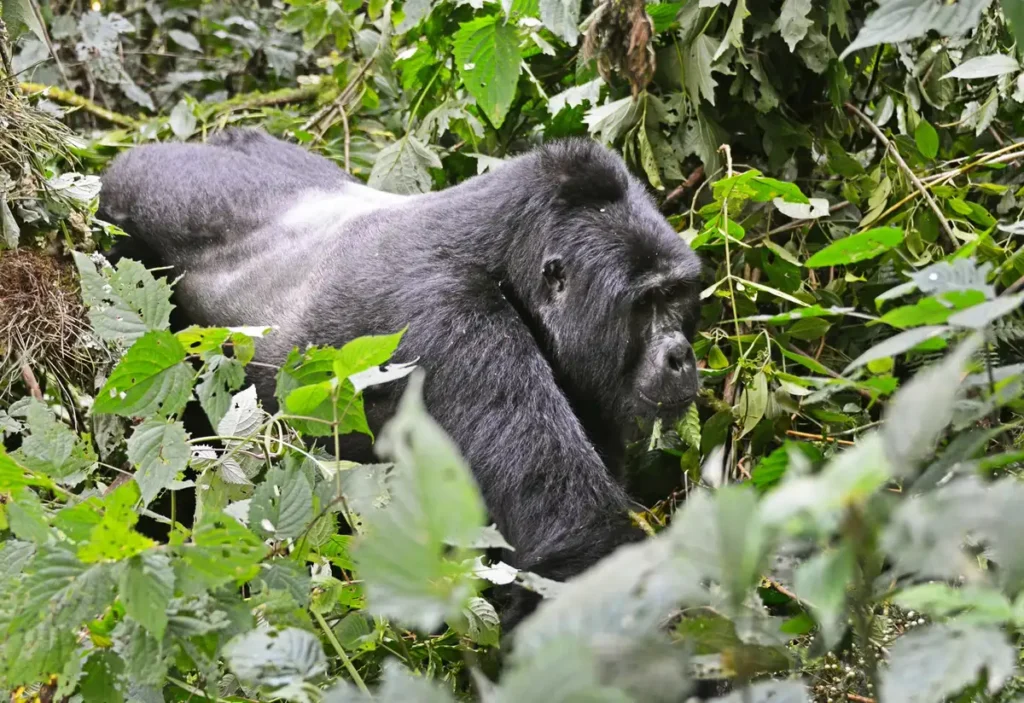
If gorilla trekking is part of your trip, How To See Rwanda Gorillas provides background planning information. Confirm the rules for your booked experience separately; do not treat the trek or a wildlife encounter as an approved proposal setting. Ask whether a separate moment could fit elsewhere in the trip.
Check accommodation permissions and a weather fallback
Accommodation may provide a possible setting to discuss, but do not assume a particular space is available. A photograph of a terrace, garden or dining area does not confirm permission for private use.
Ask before adding extras
Check decorations, flowers, music, food, drinks and photography separately. Permission to use a space does not automatically include permission to decorate it or bring in another person. Ask whether proposed materials or equipment conflict with property rules or environmental requirements.
Keep the request simple enough to scale back. If an addition cannot be confirmed, leave it out rather than treating it as promised.
Agree what happens if the outdoor plan cannot proceed
Ask whether a suitable sheltered alternative exists, whether it needs permission and whether it could be shared. Do not assume an indoor space will be available at short notice. If no suitable alternative is confirmed, agree to postpone.
Check who makes and communicates the weather decision, when it needs to be made and what happens to paid arrangements if the location or timing changes.
Get the final arrangements in writing
Request a short summary identifying the setting, responsible contact, permissions, timing window and fallback. Review financial terms separately: additional charges, payment deadlines, cancellation conditions and what happens if an agreed element becomes unavailable.
Before authorising anything, check:
- Does the proposal fit the confirmed itinerary?
- Have access and the expected level of privacy been checked?
- Does everyone involved understand the discretion required?
- Have optional extras and costs been approved?
- Is there a workable alternative, including postponement?
- Is it clear what needs reconfirming closer to travel?
Keep the final plan easy to understand and easy to pause. The aim is a personal moment that suits both of you, without putting pressure on your partner, other travellers or the people helping.
Ask Kite Adventure Safaris Company whether your proposal idea could fit your intended safari. Share your route, dates, privacy preferences and flexibility, and request a discreet feasibility discussion. Any special arrangements, permissions and costs remain subject to confirmation.