
Safari picnics in Uganda can offer a relaxed meal break between activities, provided the stop is permitted and fits your route. Before adding one to your itinerary, confirm where you can eat, who supplies the food and drinking water, and what happens if weather or access changes.
A packed lunch at an authorised stop is different from a prepared outdoor dining experience. This guide helps you check the practical details; it does not confirm a particular picnic site, package or catering service.
Planning safari picnics in Uganda around your route
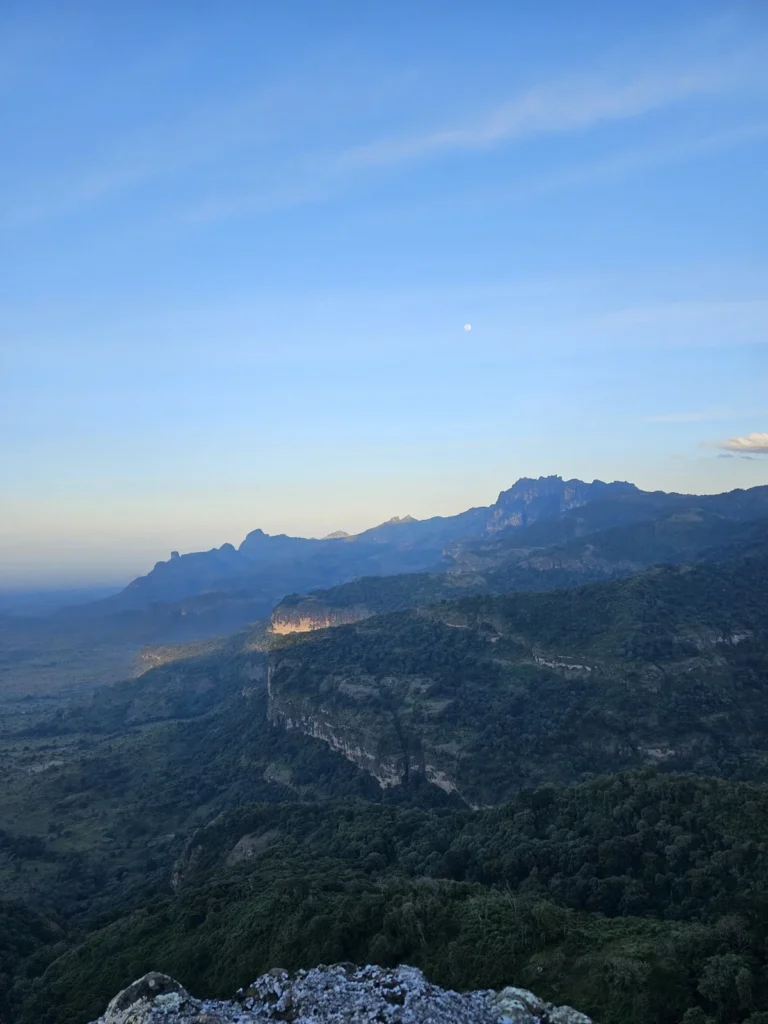
Start with the day’s main activity, travel time and next fixed commitment. A picnic should give you a useful pause, not create a long diversion or a rushed arrival.
Ask what the itinerary actually includes. “Lunch en route” does not necessarily mean an outdoor picnic, and a convenient stopping point on a map is not proof that stopping or eating is allowed there.
- Location: is the proposed place suitable, and are both stopping and eating permitted?
- Meal format: is it a packed meal or an outdoor setup requiring preparation?
- Responsibilities: who provides food, water, equipment and cleanup materials?
- Alternative: where and how will you eat if the picnic cannot go ahead?
Keep the picnic optional until these details are agreed. Permission for another activity, such as a walk or wildlife visit, does not automatically include permission to eat at the same location.
What to expect from the experience
The appeal of a picnic may be simple: time to pause, share a meal and enjoy the surroundings without adding another major activity. An elaborate setup is not essential, but a suitable place to eat is.
Check whether you will sit on the ground, bring seating or use seating whose availability has been confirmed. Ask separately about shade, shelter, toilets and handwashing facilities. Photographs and broad descriptions such as “scenic lunch stop” cannot establish these details.
Do not plan around wildlife approaching the meal or a guaranteed view. If the location cannot accommodate your group comfortably and within the rules, choose a different meal arrangement.
How much time should you allow?
There is no single duration that suits every safari picnic. Allow for access, any diversion from the route, preparation, eating and clearing away—not just the meal itself.
Work backwards from the next fixed reporting or arrival time. Ask how the plan would change if the preceding journey took longer than expected. A straightforward packed meal may be easier to fit into a busy day than a setup requiring extra preparation, but confirm what is practical for your route.
Timing, weather and a backup plan
Choose the stop around your travel date, expected conditions and confirmed access. A general description of a season cannot establish whether a particular picnic location will be suitable on the day.
Ask how rain, exposed conditions or access changes would affect the meal. Do not assume there is shelter or that food can simply be served somewhere nearby: any alternative stop also needs to be suitable and permitted.
Check conditions again close to the visit and agree a fallback meal arrangement before setting out.
Food, drinking water and what to pack
First establish what is supplied and what you need to bring. A safari booking alone does not confirm that picnic food, water or equipment is included.
- Drinking water: confirm the supply and carry enough for the planned day.
- Food containers and utensils: use securely closing containers and check whether cutlery is provided.
- Hand hygiene supplies: do not rely on unconfirmed washing facilities.
- Waste bags: prepare to carry away food scraps and packaging.
- Weather protection: bring clothing and protection suited to expected conditions.
- Personal medication: keep necessary items accessible during the stop.
Dietary needs and food storage
Discuss allergies and dietary requirements before food is ordered or prepared. Ask who prepares the meal, how long it will travel and how it will be stored appropriately. Do not assume that refrigeration, cooling equipment or separate preparation arrangements are available.
If the food-handling arrangements are unclear, reconsider the menu or meal format rather than keeping an unsuitable plan.
Wildlife safety, photography and responsible travel
Follow the instructions of the relevant site staff or guide, including restrictions on leaving the vehicle. Permission to stop does not necessarily mean you can walk around freely.
- Keep food secured; never feed, approach or try to attract wildlife.
- Check photography rules and ask before photographing people.
- Stay within authorised areas rather than moving into restricted spaces for a photograph.
- Take away leftovers, fruit peel, tissues and packaging, including biodegradable scraps.
- Do not move vegetation, collect natural objects or rearrange the setting.
Who will a safari picnic suit?
A picnic may suit travellers who enjoy informal meals and can accept a change of plan. Anyone who needs guaranteed seating, shelter or immediate access to toilets should have those details verified before agreeing.
For families, discuss supervision and where children may move. For travellers with mobility needs, check the surface, distance from the vehicle, seating and access to facilities. “Outdoor lunch” is not enough information to establish accessibility.
Agree the arrangement with everyone in the group rather than assuming a picnic will suit all travellers equally.
Combining the picnic with other stops and accommodation
Assess the meal stop separately from sightseeing plans. If your route includes Lake Bunyonyi, the guide to highlights around Lake Bunyonyi may help you consider other interests, but it does not confirm picnic access. For a journey through Entebbe, the first-time guide to Entebbe offers wider planning context.
Avoid adding extra stops simply to make the picnic more substantial. Leave enough time for the meal, cleanup and onward travel.
If you hope to collect a packed meal from your accommodation, ask the property whether this is possible. Confirm whether it replaces an included meal or is a separate arrangement, and clarify any charges before agreeing. No accommodation or picnic provision is confirmed here.
Checklist before confirming a safari picnic
Use these checks to turn a proposed break into a clear itinerary arrangement.
| Planning point | What to confirm |
|---|---|
| Permission | The location allows both stopping and eating. |
| Timing | Access, preparation, eating and cleanup fit the day. |
| Food and water | Supply, storage and dietary requirements are agreed. |
| Comfort and access | Terrain, seating and essential facilities suit each traveller. |
| Weather alternative | A suitable fallback meal arrangement is agreed. |
| Waste | Someone is responsible for removing all leftovers and litter. |
| Costs and inclusions | Any charges and what they cover are clear. |
Frequently asked questions
Can a picnic fit into a first trip to Uganda?
Potentially, if the route, permissions and practical arrangements support it. Suitability depends on those details, not on whether you have visited Uganda before.
Should I arrange it independently or through an operator?
If an operator is managing your transport and activities, discuss the picnic before making separate arrangements. Independent plans still require permission, suitable food storage and realistic access and timing.
How early should I plan?
Raise the idea while developing the route, particularly if dietary or accessibility needs affect the choice. Reconfirm arrangements nearer departure and check conditions before the stop. There is no universal booking deadline established here.
Plan your next step
Share your proposed route, group size, dietary requirements and comfort needs with whoever is coordinating the day. Request confirmation of permissions, food and water responsibilities, timing, costs and the fallback plan before treating the picnic as a firm itinerary inclusion.