
Birdwatching in Uganda
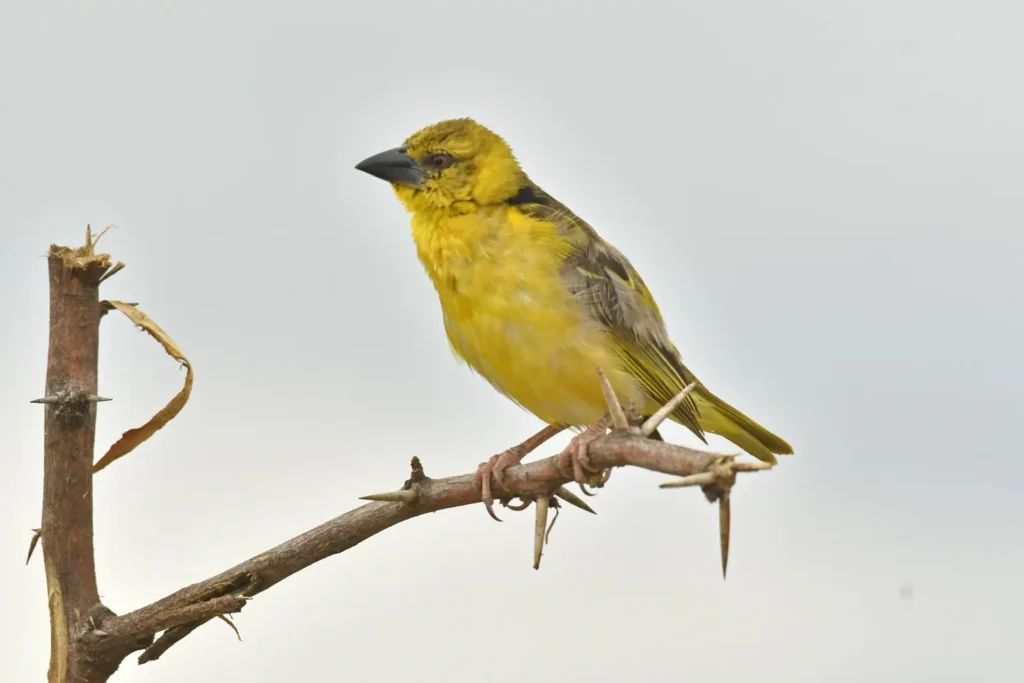
Birdwatching in Uganda offers a quieter way to enjoy a safari: slow down, listen and watch for details you might otherwise miss. You can plan for casual observation during existing stops or ask about a dedicated outing with more time to watch and identify birds.
This guide explains how to fit birdwatching into your route, what to pack and which arrangements to check before committing. The right plan depends on your interests, the places you visit and the support available.
Planning birdwatching around your Uganda trip
Start by deciding what you want from the experience. A gentle introduction, an identification-focused session and a photography-led outing can require different arrangements. Be clear about your priorities rather than assuming a general wildlife activity includes dedicated birding time.
- Casual observation: opportunities to watch birds during stops already on your route.
- Dedicated birdwatching: time set aside for patient observation without another activity competing for attention.
- Identification or photography: a more specific brief, with guiding support and pace discussed in advance.
Consider your companions too. Some people enjoy waiting quietly in one place; others prefer to keep moving. Agree on the purpose and likely pace before adding the activity to a shared itinerary.
What the experience feels like
Birdwatching alternates between looking, listening and waiting. A movement in vegetation may catch your attention, then disappear before you get a clear view. Not every encounter leads to an identification, and that is part of watching wildlife.
Binoculars help you examine details from a respectful distance. Notice shape, colour, movement and behaviour rather than rushing to name a bird. A few accurate notes can be more useful than a hurried guess.
Beginners can start simply: find the bird with the naked eye, bring binoculars up to the eyes and describe what is visible. If you want help learning identification skills, ask what guidance is available; do not assume tuition is included.
When to go and how much time to allow
The best timing depends on the proposed location, your travel dates and expected conditions. Ask how weather may affect access and observation, and whether a particular departure time is recommended for that outing.
There is no single duration that suits every traveller. Request the time spent watching birds separately from transfers and preparation. If this is a new interest, discuss a manageable introduction rather than building a whole day around a long session.
Leave breathing room on either side. A tiring arrival the night before or a tightly timed onward journey can make patient observation less enjoyable. If an early departure is proposed, check breakfast arrangements and allow enough rest.
Before confirming, ask how weather-related changes will be communicated and what happens if the outing cannot proceed. Do not assume an alternative activity will be available.
What to pack for birdwatching
Bring equipment you are comfortable using, and check what—if anything—is supplied or shared.
- Binoculars and a comfortable strap: practise focusing and adjusting them before travelling.
- Notebook and pencil: record visible features, behaviour and questions.
- Suitable clothing: choose comfortable layers and weather protection for the confirmed outing.
- Appropriate footwear: check the terrain and how much walking or standing is involved before choosing shoes.
- Personal essentials: carry drinking water, sun protection and any medication you normally need.
- Equipment protection: pack a suitable cover or bag for optics and electronics.
If you use a digital identification resource, check whether it works offline and download what you need beforehand. Treat suggested identifications as possibilities to assess, not proof of what you saw.
Responsible birdwatching and photography
Let the bird’s behaviour guide your distance. If your approach interrupts feeding, causes it to move away or appears to alarm it, stop advancing and give it space. A closer view or photograph is not worth disturbing wildlife.
- Keep voices low and silence phone notifications.
- Avoid using recorded calls to attract birds.
- Do not crowd, surround or repeatedly pursue a bird.
- Do not handle birds, disturb nests or move branches for a clearer view.
- Stay on permitted routes and follow local access rules and instructions.
For photography, secure your footing before raising the camera and avoid blocking other observers’ views for long periods. Ask permission before photographing local people or fellow travellers.
Fitting birdwatching into your route and daily pace
Begin with the places already under consideration for your Uganda trip. Ask whether a suitable, permitted opportunity fits those stops before adding a separate journey. A scenic location does not automatically offer an organised birdwatching activity, and a passing sighting during another excursion is not the same as dedicated observation time.
If an extra stop is proposed, compare the travel involved with the time you would spend watching. Fewer activities with room to enjoy them may be more rewarding than several hurried visits.
Accommodation and practical arrangements
Choose accommodation in relation to the confirmed meeting point and onward route. Check departure arrangements, meal times and when you need to be ready to leave. Do not assume a property has a viewing area, birding facilities or an included activity.
If you hope to watch birds independently around your accommodation, ask where guests may go and what restrictions apply. Build in rest as well: carrying equipment and concentrating through binoculars can become tiring even without a long walk.
Comfort, families and mixed-interest groups
Birdwatching can suit beginners and experienced observers when the arrangements match their expectations. Families should consider children’s interest, attention span and comfort with quiet periods.
For mixed-interest groups, agree how long everyone wants to participate. Ask whether different arrangements are possible rather than assuming separate activities or supervision will be available.
Raise any concerns about walking, balance, prolonged standing or holding binoculars before plans are agreed. Ask about the actual terrain and activity format rather than relying on a broad description such as “easy”.
Questions to settle before confirming
- Focus: is this casual observation, dedicated birdwatching, photography or identification support?
- Location: where will it take place, and what access is permitted?
- Guiding: what support is included, and does it match your experience and interests?
- Equipment: what must you bring, and is anything supplied or shared?
- Physical demands: what walking, standing and terrain should you expect?
- Timing: how long is the observation session, excluding transfers?
- Changes: what happens if weather or access affects the plan?
Frequently asked questions about birdwatching in Uganda
Can beginners include birdwatching in a first Uganda safari?
Yes, it can be considered alongside your other interests without making identification the main purpose of the holiday. Explain that you want an introduction, agree on a comfortable pace and confirm what can fit your route.
Do I need my own binoculars?
Do not assume binoculars will be provided. Ask what equipment is included and whether it is shared. If you bring your own, practise using them before departure.
Should I watch independently or arrange a guided activity?
That depends on access, permission, your experience and the support you want. Independent observation does not allow entry to restricted areas or departure from authorised routes. For an arranged outing, confirm who handles access and what guiding, transport and equipment are included.
How early should I start planning?
Raise your interest while the route is still flexible, before accommodation and transfers limit your options. Ask which elements of the proposed outing need advance confirmation; there is no fixed booking deadline established here.
Discuss birdwatching as part of your Uganda itinerary
Share your travel dates, proposed route, group interests and whether you have your own binoculars with Kite Adventure Safaris Company. Ask whether birdwatching can fit your trip and which arrangements can be confirmed. Include any identification, photography or accessibility priorities so they can be considered before plans are agreed.