
Learning Local Greetings in Uganda
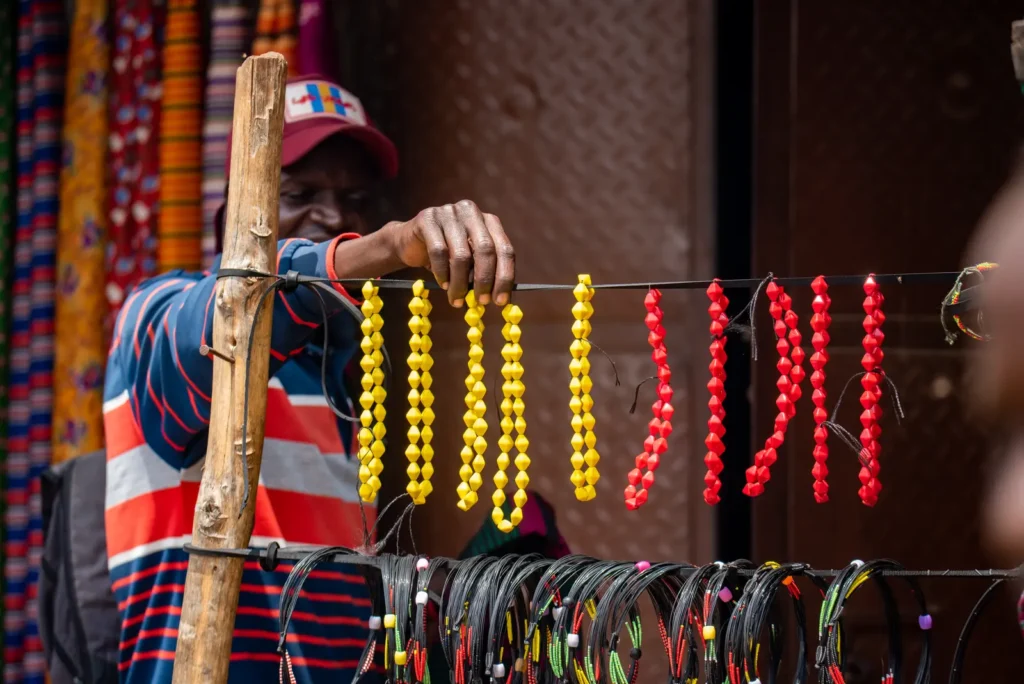
Learning local greetings in Uganda can start with a simple question: “Would you mind showing me how to greet someone here?” The aim is a friendly everyday exchange, not a performance or a formal lesson. Listen first, check when a greeting is appropriate and practise only when the other person is happy to help.
You do not need a separate tour stop for this interest. It can fit naturally into conversations during your trip. This guide focuses on how to ask, listen and practise respectfully rather than providing translations to use without context.
How greeting practice fits into your Uganda trip
Treat learning greetings as an interest, not a daily appointment. Your route and the conversations that develop will shape what you learn. Do not assume that a greeting learned from one person will suit everyone you meet afterwards.
Before using a phrase, ask which language it belongs to and whether it fits the situation. The person helping you may suggest a different expression or prefer to continue in a language you already share. Follow their lead.
If you are discussing your trip with an operator, explain that you enjoy informal cultural interaction. Make clear whether you are simply interested in everyday conversations or requesting organised learning. Tuition, translation support and cultural visits should not be assumed to be included. The guide to writing a useful East Africa safari enquiry can help you describe your interests clearly.
How to learn a greeting respectfully
1. Ask whether it is a good time
Try: “Is now a good time to ask you about a greeting?” If someone is working, serving another person or preparing to leave, save your question for another occasion. Being nearby does not necessarily mean someone is available to teach.
Start with one greeting rather than asking for a whole conversation. A short, willing exchange is enough.
2. Listen before repeating
Hear the whole phrase first. If the person is comfortable helping, ask them to say it slowly, then try it and invite a correction. “Have I said that clearly enough?” is a useful follow-up question. You do not need perfect pronunciation immediately.
3. Check the meaning and expected reply
Ask what the greeting means, when to use it and what response it usually invites. Knowing only the opening can leave you unsure how to continue.
If the reply goes beyond what you understand, say so honestly and return to a shared language. There is no need to pretend you understand.
4. Thank the person and leave room to finish
Let the other person decide whether to continue. If they answer briefly, return to a task or seem distracted, thank them and close the exchange. You can review what you learned later.
When to practise and how much time to allow
The immediate situation matters more than the travel season. A relaxed conversation is a better opportunity than a busy arrival, a queue or a departure when everyone is watching the clock.
There is no fixed session length. One greeting, a pronunciation check and a thank-you may be enough. Avoid delaying other travellers or interrupting someone’s work to complete a list of phrases.
A less crowded itinerary leaves room for natural conversations and time to remember them. After a tiring journey, rest may be more useful than another activity. When reviewing your safari itinerary before booking, consider whether the daily pace leaves that flexibility.
What to bring and how to keep useful notes
A small notebook and pen, or a note on your phone, are enough. Ask whether the person is comfortable with you writing down their explanation. If you use your phone, explain what you are doing before typing.
Leave space for:
- The language name: ask rather than guess.
- The greeting and its meaning: mark anything you have not confirmed.
- A pronunciation reminder: label your own sound-based notes as personal aids, not authoritative spellings.
- When to use it: record the situation in which it was suggested.
- The expected reply: note how the exchange continues.
You do not need anyone’s personal details. Review your notes quietly afterwards rather than repeatedly asking someone to start again.
Recording, photography and respectful use
Ask separately before recording or sharing
Agreement to explain a greeting is not agreement to be photographed, filmed or recorded. Ask before making an audio note and accept a refusal without pressure.
Permission to record also does not automatically include permission to publish. Explain any intention to share the recording beforehand, and avoid capturing bystanders, private conversations or identifying details in the background.
Avoid assumptions about language and identity
Do not guess which language someone speaks from their appearance, clothing or job. An open question such as “Which greeting would be appropriate in this conversation?” lets them guide the exchange.
Keep what you learn tied to its context rather than presenting one person’s explanation as a rule for everyone in Uganda. Do not ask for repeated demonstrations for entertainment or make jokes at someone else’s expense.
Combining greetings with other travel experiences
If a cultural visit is already confirmed, ask whether there is a suitable moment for a language question. Respect the host’s schedule and the purpose of the visit. An interest in greetings does not mean that a lesson or extra stop has been arranged.
The same applies at your accommodation. A friendly welcome is not a promise of language tuition. Avoid holding up check-in, meals or other guests, and remember that staff may need a break even when they are nearby.
This approach suits travellers who enjoy listening and asking small questions. Families can join in when adults help children ask permission and keep requests brief. Nobody needs to perform: listening without repeating is also a reasonable choice.
A quick checklist before you practise
- Is this a suitable moment, and is the person willing to help?
- Have you checked the language, meaning and appropriate use?
- Do you understand the reply the greeting may invite?
- Have you asked before taking notes or recording?
- Have you left the person free to end the conversation?
Frequently asked questions
Can I learn local greetings on a first trip to Uganda?
Yes. Begin with one willing conversation and check the meaning and use of what you learn. You do not need to arrive with memorised translations that you have not checked for context.
Do I need a guide or a formal lesson?
You can ask a simple question independently when the circumstances are suitable. If you want organised learning or specific support, discuss it separately with your operator and confirm any arrangements before relying on them.
How early should I prepare?
You can prepare a notebook and a few questions before departure. An ordinary conversation has no booking deadline, but planned cultural visits or requests for learning support should be discussed before your itinerary is finalised.
Include your interest in your trip plans
When planning your Uganda trip, mention that you would welcome opportunities to learn a greeting when someone is willing to share. Keep the request modest: natural conversation, no interruption to work and no expectation of formal lessons. The most useful preparation is a willingness to listen, accept correction and respect the other person’s time.