
Safari Plant Observation in Uganda
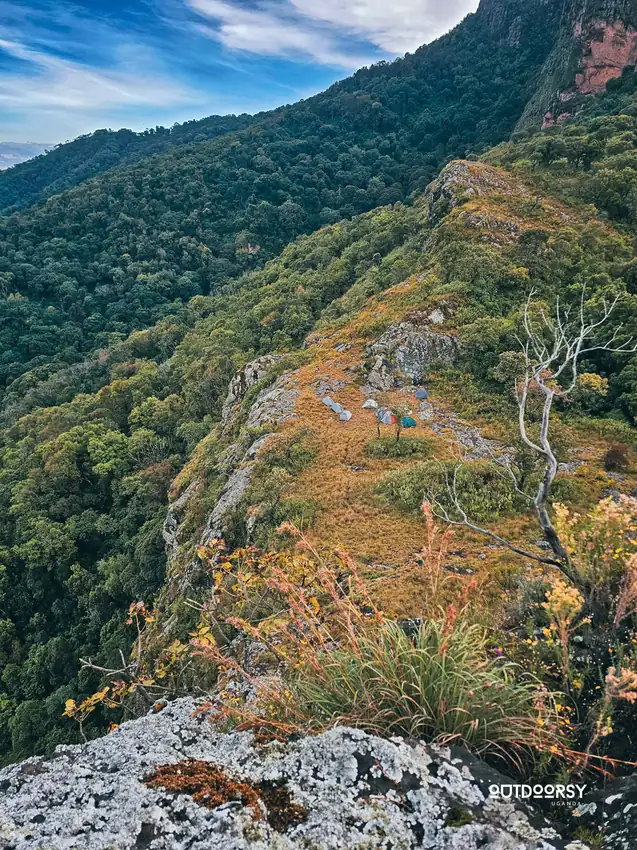
Safari plant observation in Uganda is an interest you can weave into a wider trip, rather than a confirmed specialist excursion. Looking at leaf shapes, plant textures and changes in vegetation can add depth to your safari without needing to identify every species.
This guide covers informal observation from permitted places. It does not describe a bookable botanical tour or promise specialist guiding, particular plants or access to walking routes.
How to fit plant observation into your Uganda safari
Start by explaining what interests you: photographing leaves, sketching plants, comparing vegetation between stops or learning about what you see. This helps the person reviewing your itinerary understand how much time and support you may need.
Be clear about the difference between observing from a vehicle, pausing at an authorised stop and walking along a permitted route. Permission for one does not mean permission for the others. Never leave a vehicle to examine plants unless you have been told it is safe and allowed.
If wildlife viewing or another scheduled activity is your priority, use suitable breaks for plant observation. If plants are a main interest, ask whether the route can allow more time before confirming your arrangements.
What to look for without a species list
You do not need botanical knowledge to begin. Choose a small subject and record what you can see:
- Leaves: compare their shape, size, colour and arrangement.
- Growth patterns: notice climbing stems and layers of vegetation.
- Textures: photograph visible details from a safe, permitted position.
- Changes between stops: compare vegetation height, density and the amount of exposed ground.
A useful notebook entry includes the date, general setting and visible features. Keep observations separate from explanations: “broad leaves growing in shade” describes what you saw, while a claim about identity or ecological role needs reliable supporting information.
A guide may be able to discuss the surroundings, but do not assume botanical expertise. If accurate identification matters to you, ask what support is available. Treat image-recognition results as suggestions to investigate, not confirmed identifications.
Timing, weather and daily pace
How much time should you allow?
There is no fixed duration for informal plant observation. A brief look during an existing break is different from a walk arranged mainly for that purpose. Available time depends on access, conditions, the itinerary and your travelling companions.
Ask where observation can fit without rushing a transfer or scheduled activity. Allow time to return to the vehicle, pack equipment and clean footwear where required. For a mixed-interest group, agree on pauses in advance rather than making repeated unscheduled requests to stop.
When is the best time?
There is no single best month to recommend here. What you can observe depends on the place, recent conditions and your interests. Do not choose travel dates on the assumption that flowers, fruit or a named plant will be visible.
Ask what is reasonable for your dates and keep plans flexible. Rain, light and visibility may affect an opportunity. If walking is unsuitable, ask whether observation from the vehicle is a practical alternative.
What to pack
Start with simple equipment you already know how to use. Confirm whether you will be observing from a vehicle or walking before buying specialist kit.
- Notebook and pencil: record visible features and questions for later research.
- Phone or camera: check battery capacity and storage before leaving.
- Weather protection: keep notes and electronics protected from rain or splashes.
- Suitable footwear: ask what the proposed surface requires if walking is planned.
- Personal essentials: plan drinking water, sun protection and medication around the agreed outing.
Binoculars or a close-focusing camera may help, but neither is essential. Use a hand lens only where you can examine a plant safely without touching it, picking it or leaving the permitted route. Do not bring collecting tools for this activity.
If Kibale is already on your route, the Kibale National Park packing checklist can help with wider trip preparation. Confirm any activity-specific requirements separately.
Responsible observation and photography
Leave plants where they grow. Do not pick leaves, cut stems, remove seeds or take bark. Do not taste plants or test claims about their uses yourself; an uncertain identification is not a safe basis for handling or consumption.
Stay within authorised areas and follow instructions about movement. Avoid leaning into vegetation, moving branches or stepping off a path for a photograph. If a picture requires disturbing the setting, choose another subject.
For a useful photographic record, take a wider view of the setting followed by a closer image from your permitted position. Do not clear away surrounding material to isolate a plant. Seek permission before sharing photographs that include people, private property or sensitive information.
Check footwear and equipment for attached mud, seeds or plant material before moving between places, and follow local cleaning instructions.
Using existing stops and overnight stays
Review your planned route before adding a separate journey. An existing rest stop, viewpoint or overnight location may offer an appropriate opportunity, but access, safety and timing must be checked.
Roadside land and accommodation grounds are not automatically open for exploration. Ask about boundaries, permitted outdoor areas and whether independent movement is allowed. A description such as “green surroundings” does not confirm an accessible walking route.
Check arrival and departure times too. An overnight stay may leave little time to look around if you arrive late and leave early. Avoid changing accommodation solely for plant observation until its suitability has been confirmed.
If your itinerary includes Kibale, read the guide to wildlife and experiences in Kibale National Park for wider context. Discuss plant observation separately rather than assuming it is included in another activity.
Plant observation planning checklist
Use these questions when reviewing a proposed itinerary.
| Planning point | Question to ask |
|---|---|
| Observation style | Will we observe from a vehicle, an authorised stop or a permitted walking route? |
| Access | Where may we stop or walk, and what restrictions apply? |
| Timing | How much time fits without rushing the rest of the day? |
| Guiding | Is general commentary available, or is there support for reliable plant identification? |
| Changing conditions | What is the alternative if walking is unsuitable? |
| Equipment | What footwear, weather protection or equipment restrictions should we plan for? |
| Costs | Would any requested changes affect the quotation? |
Frequently asked questions
Is plant observation suitable for a first Uganda safari?
You can propose it alongside your main activities. Keep expectations modest until the route and access arrangements have been reviewed. Curious beginners, photographers and sketchers can enjoy noticing details without aiming for a complete species list.
Can families or travellers with mobility needs take part?
Families can choose a simple visual theme, such as different leaf shapes, without touching plants. Travellers with mobility needs should ask about the actual viewing position, surface and access arrangements. An informal activity is not automatically accessible or physically easy.
Can I observe plants independently?
Only within areas where independent observation is expressly permitted. Ask for planning support if your interest requires changes to transport, stops or guiding, without assuming specialist services are available.
How early should I mention this interest?
Raise it while the route is still being discussed, especially if you want walking time or identification support. Simple equipment may need little preparation, but permissions and schedule changes should not be left to assumptions on the day.