
Safari video filming in Uganda is about capturing movement, atmosphere and small moments without letting the camera take over your trip. Short clips of a landscape, a permitted wildlife encounter or willing travel companions can tell a story while leaving you time to enjoy the experience.
This guide covers personal, self-directed travel videos made with familiar equipment. It explains how to plan your shots, pack sensibly, respect others and fit filming into a safari itinerary.
Planning safari video filming in Uganda
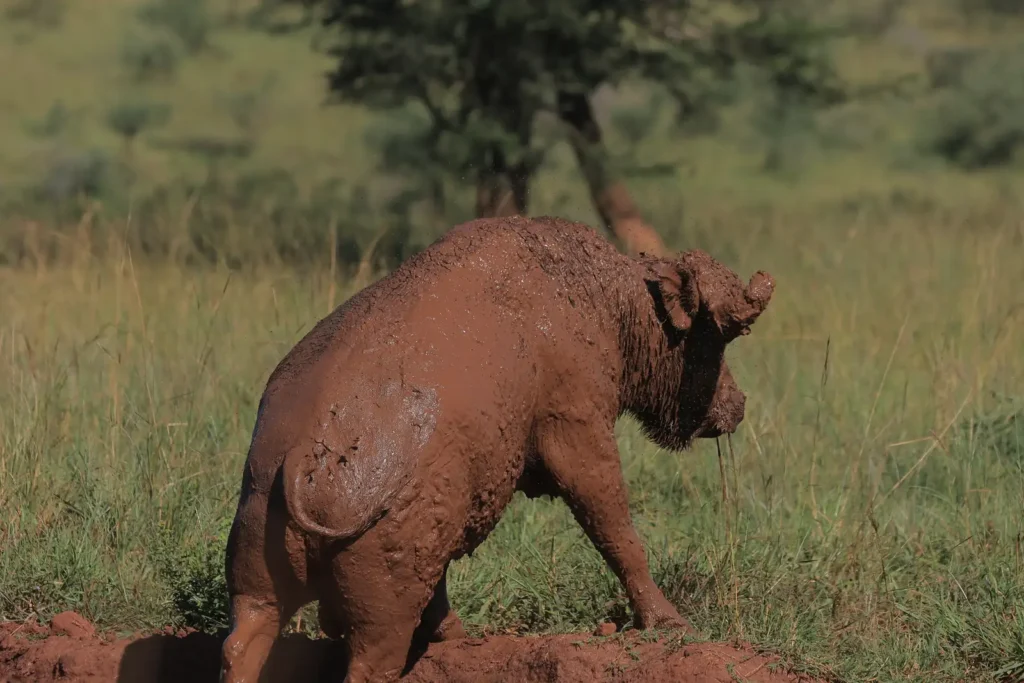
Start with the safari you want to experience, then decide what you would like to record. Occasional phone clips need less preparation than a film built around planned sequences. A simple idea is easier to fit around an agreed itinerary.
When discussing your trip, explain:
- Whether you want a personal travel diary or footage for wider publication.
- What phone, camera and accessories you expect to carry.
- Whether you hope to record occasional clips or spend longer on individual scenes.
- Whether other members of your group want to appear in the video.
Ask which arrangements need confirmation. Equipment support, extra stops, exclusive vehicle use and filming permissions should not be assumed to form part of a booking. If the footage is intended for sponsored, commercial or other organised content, make that clear before finalising your plans.
How to capture a simple safari video
Build short sequences rather than collecting random clips
Video works well when it shows how a scene unfolds. Where recording is allowed, try a wider view to establish the setting, a closer view of the subject and a detail that adds context. Treat these as creative options, not shots you must obtain.
Hold the camera steadily and let movement happen within the frame. Repeated zooming and constant panning can make footage difficult to watch. A few calm clips often tell a clearer story than a long recording spent searching for a subject.
Before travelling, write a modest shot list: an opening landscape, a permitted activity detail and a closing reflection from a willing companion. Where practical, choose one recording orientation for your main edit.
Know when to put the camera away
Listen to briefings, watch your footing and stay aware of the group. Stop filming if it distracts you from instructions, blocks another person’s view or makes it harder to take part safely.
Wildlife may move out of sight, weather may change and a safe position may not give you the angle you wanted. Missing a shot is not a reason to seek closer access, disturb an animal or ask others to repeat an experience.
How much time should you allow?
There is no single filming duration that applies across a Uganda safari. An occasional clip may fit into an authorised pause; a planned sequence may need more time than an activity allows. Explain the difference when discussing your itinerary rather than simply asking for “time for videos”.
Prepare your camera before departure so that charging, storage checks and unfamiliar settings do not delay the group. If the schedule allows, use downtime afterwards to review a few clips and back up your files.
Choose a few optional filming priorities for the trip. Keeping them flexible reduces the pressure to record every stop and leaves room for unexpected moments.
When to film during the day
Let the confirmed activity schedule and on-site instructions determine when you record. Attractive light can help your footage, but it does not establish access or justify changing a departure time. Filming conditions cannot be guaranteed for a particular month or hour.
- Before an activity: Check your battery, available storage and essential camera settings.
- During an activity: Record only where allowed and keep your equipment manageable.
- After an activity: Check selected clips, organise files and prepare for the next day without letting editing take over your evening.
If you want to film from a stationary vehicle, ask whether a safe, authorised stop is possible. Do not lean outside for an angle, obstruct the driver or expect a stop wherever a scene looks appealing.
What to pack for safari video filming
A phone or camera you already know is a sensible starting point. Practise recording, focusing and adjusting exposure before departure so you can use the essential controls without looking up instructions during an activity.
- Your chosen recording device and compatible charging cables.
- Enough storage, with compatible spare storage where your device supports it.
- Suitable protection against dust and rain; do not assume equipment is weatherproof.
- A lens cloth and a secure carrying arrangement that leaves your hands available when needed.
- A backup method you understand and can use without internet access.
Confirm charging arrangements at your actual accommodation rather than relying on sockets, charging points or uninterrupted power being available. Check applicable transport rules before packing spare batteries or a power bank.
Discuss larger supports, lighting and specialist accessories in advance. Equipment that is useful at home may not be permitted or practical during a safari activity.
Permissions, privacy and responsible filming
Ask before recording people
Video can capture voices, private conversations and identifying details as well as faces. Ask before making someone the subject of a clip and explain how you expect to use it. Agreement to appear in a personal holiday recording is not permission for every later publication.
Take particular care around children and private spaces. Seek appropriate permission, respect a refusal immediately and avoid recording sensitive conversations. If consent is unclear, choose another subject.
Keep wildlife and other visitors undisturbed
Follow guides’ and site staff’s instructions on recording, movement, equipment and lighting. Keep device sounds quiet where appropriate. Never use playback, calls or other prompts to make wildlife turn towards the camera.
Do not assume drones, extra lighting or specialist equipment are allowed. Check the requirements for the exact place and activity before use. Filming should never involve leaving an authorised position or interfering with another visitor’s experience.
Fitting filming into a wider Uganda safari
Treat filming as an optional part of activities you already want to do, rather than building the trip around unconfirmed access, repeated encounters or extra stops. For each proposed activity, check whether recording is allowed and whether you can manage your equipment safely while taking part.
If you are considering the 5 Days Uganda Primate Safari, review the published programme separately from your filming plans. A tour description does not confirm recording permissions or extra time with wildlife.
For a multi-country route, such as the 7 Days Uganda Rwanda Safaris, check the relevant arrangements at each stop. Do not carry assumptions about filming rules from one place to the next.
Who will enjoy this approach?
Personal safari filming suits travellers who enjoy noticing movement and shaping a short visual story. Patience and a willingness to accept imperfect footage matter more than an elaborate production plan.
If your main goal depends on repeated takes, controlled subjects or uninterrupted filming, discuss those needs separately before booking. In a shared group, agree on an approach that does not make non-filming companions feel their holiday revolves around the camera.
Allow time for charging and backups
Charging, checking equipment and backing up files can take time, especially if you record frequently. Keep your evening routine manageable so you are rested for the following day.
Check charging access, workspace needs and internet availability against your actual stay details. No particular accommodation facilities are confirmed here. Have a backup plan that does not depend on uploading large files, and ask before filming in shared spaces.
Pre-trip filming checklist
Use these questions when reviewing your itinerary to separate your own preparation from arrangements that need confirmation.
| Planning point | What to confirm | Your preparation |
|---|---|---|
| Purpose | Requirements for your intended use | Explain personal or wider publishing plans |
| Activity access | Whether recording is allowed | Keep alternative shot ideas |
| Equipment | Restrictions on accessories | Practise with a manageable setup |
| Daily pace | Whether filming fits agreed stops | Choose a few optional priorities |
| Other people | Consent and group expectations | Explain intended use before recording |
| Power and files | Actual charging arrangements | Plan storage and offline backups |
Frequently asked questions
Can I film on my first Uganda safari?
Yes, where the relevant activity allows recording. Keep your first trip focused on the experiences themselves. A familiar device and a short list of ideas leave more attention for instructions, wildlife viewing and your travel companions.
Do I need a private safari to record videos?
Private travel does not automatically provide unrestricted recording, exclusive access or permission to change activity rules. Whether travelling independently or with an operator, clarify who will confirm the rules and whether your filming plans fit the itinerary. Do not assume specialist filming support is available.
Can I bring a drone or specialist equipment?
Do not assume permission to use it. Check requirements for each place and activity before bringing equipment into use, and discuss larger accessories before finalising your plans.
How early should I raise my filming plans?
Raise them before finalising the itinerary, especially if they affect equipment, daily pace or intended publication. There is no universal lead time confirmed here. Ask what needs checking, identify any provisional arrangements and reconfirm relevant instructions before taking part.
Plan your next step
Review the 7 Days Uganda Wildlife Safari as an itinerary starting point. When enquiring, explain what you hope to record, which equipment you will carry and how you intend to use the footage. Ask what can reasonably fit into the proposed trip rather than assuming filming arrangements are included.