
Uganda landscape photography is about taking time to notice hills, reflections, changing skies and the relationship between foreground and distance. You may want a few thoughtful photographs during a wider safari, or longer stops to explore compositions. Make that preference clear before your itinerary is confirmed.
This guide explains how to plan photography time around your route, equipment and comfort. It is not a fixed photography tour or a promise of specialist instruction. Viewpoints, access, stopping opportunities and timings need to be checked for your proposed trip.
Planning Uganda landscape photography around your trip
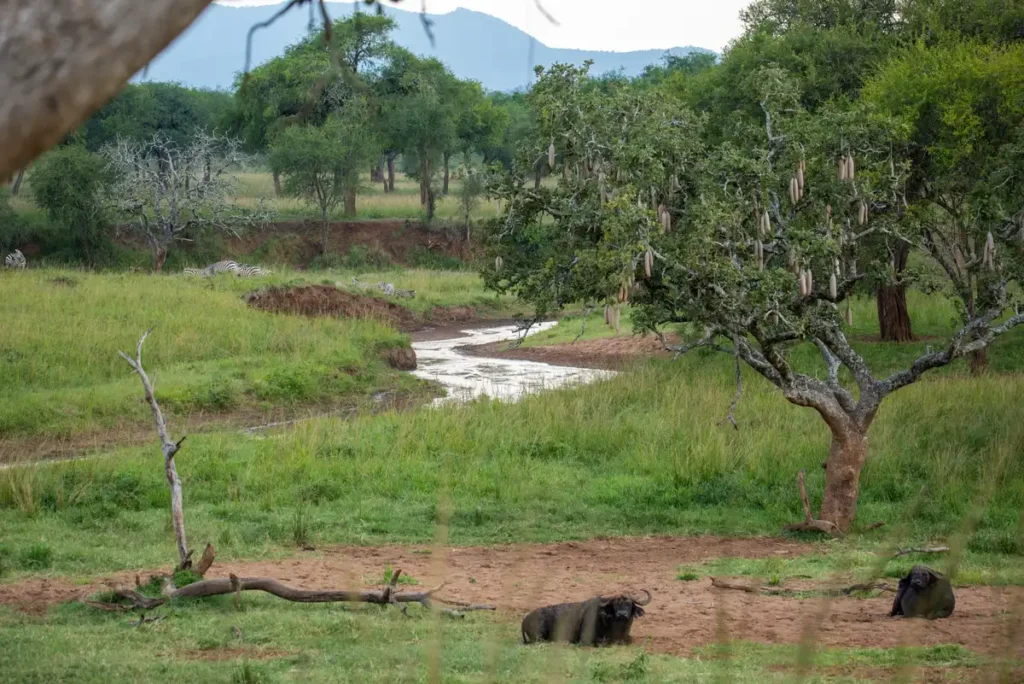
First, decide whether photography is a main reason for travelling or an occasional part of the holiday. A brief scenic stop may suit someone using a phone; a photographer working with a tripod may prefer fewer locations and more time at each.
Describe the pictures you enjoy making: lakes and reflections, waterfalls, mountain shapes, broad views or smaller landscape details. Reference photographs can help explain your interests, but they should not become a checklist of conditions that a trip must reproduce.
Make scenic stops part of the itinerary
Do not assume every attractive view along a transfer route allows a safe or permitted stop. Ask which stops can be planned, which depend on conditions and which require a separate activity. Keep optional photography time distinct from essential transport and confirmed bookings.
If you are travelling with others, agree on the pace. Quick photographs and extended periods of waiting create very different days.
What the experience feels like
The emphasis is on looking carefully rather than moving quickly between subjects. You might adjust your position, simplify a composition or wait to see whether a change in cloud improves the light. A small detail can be as rewarding as a wide view.
Not every stop will produce the image you imagined. Weather may obscure the scenery, or the accessible position may limit your composition. Leave room to enjoy the place even when the photograph does not work.
A phone, compact camera or interchangeable-lens camera can all suit this approach. The practical differences are carrying weight, setup time and the space you need to work—not simply the type of camera.
How much time should you allow?
There is no fixed duration or route for this activity. Ask for a time estimate that separates travel, walking, photography and the return journey. An excursion’s total length may otherwise hide how little time you will have at the location.
If photography is a priority, consider fewer stops rather than a crowded schedule. Allow time for setting up, packing equipment and taking breaks. Avoid placing an important connection immediately after an outing whose finish depends on weather or walking pace.
Check sunrise and sunset arrangements separately
If you hope to photograph near sunrise or sunset, say so before booking. Confirm access hours, transport, walking conditions and the return plan. Ordinary activity arrangements should not be assumed to cover early or late outings.
When to plan landscape photography in Uganda
The right timing depends on your chosen places and the conditions you hope to photograph. There is no single best month established for all the locations discussed here. Ask about expected weather, current access and seasonal limitations at each proposed stop.
Think beyond clear skies. Cloud, rain and changing visibility can alter a landscape’s mood, but they can also affect comfort and access. No itinerary can guarantee reflections, distant views, dramatic skies or a particular quality of light.
Before choosing dates, decide whether pursuing a specific photographic idea matters more than keeping the wider holiday straightforward.
What to pack
Choose equipment you can comfortably carry for the confirmed outing. A smaller, familiar kit is often easier to manage than several lenses you rarely use. Practise your camera settings and packing routine before departure.
- Camera or phone: bring a device you know how to use confidently.
- Power and storage: consider spare batteries, suitable charging arrangements and enough memory.
- Weather protection: pack an appropriate protective cover or dry bag.
- Comfortable carrying system: test it with the weight you intend to carry.
- Cleaning materials: bring a clean lens cloth and suitable equipment-care supplies.
- Personal essentials: choose footwear, clothing, water and sun protection for the planned activity.
A tripod may suit your approach, but check whether it is permitted and practical at each location. If you intend to bring a drone, establish the applicable rules and permissions in advance. Permission to use a camera does not imply permission to fly a drone.
Safe and responsible photography
A photograph is not a reason to cross a barrier, enter restricted land or approach an unsafe edge. Follow local instructions and ask before leaving an agreed route. An appealing camera angle does not make a position safe or accessible.
Ask permission where people, homes or working spaces would become recognisable parts of your image. Respect a refusal and avoid interrupting daily activities to arrange a composition.
Keep paths and shared viewing areas clear, especially when using a tripod. Do not move vegetation or leave equipment where someone could trip over it.
Places to discuss for your photography plans
Lake Mutanda, Lake Bunyonyi, Sipi Falls, Mount Elgon and the Rwenzori Mountains appear among the site’s Uganda activity topics. Use them as starting points for discussing your interests, not as confirmation of a particular viewpoint, excursion or access arrangement.
For further route research, explore highlights around Lake Bunyonyi and the Lake Bunyonyi planning FAQs. Check how any suggested stop fits your travel time and preferred pace.
Keep the activity needed to reach a view separate from the photography itself. Walking or canoeing should not be treated simply as transport for a camera: ask about physical demands, equipment considerations and suitability.
Keep landscape and wildlife priorities distinct
If your trip includes both, explain how you want to divide your time. A wildlife-focused outing may not allow extended scenic stops. Make landscape photography time explicit rather than assuming it will fit around other activities.
Match the outing to your comfort and daily pace
Landscape photography can appeal to beginners, experienced photographers and companions who simply enjoy looking. The plan should reflect everyone’s walking ability, carrying limits and tolerance for waiting.
Be specific about mobility, balance and preferred activity levels. Say whether you want roadside opportunities, short walks or more demanding outings; none should be assumed available until the locations have been checked.
When choosing an overnight base, ask how it relates to the photography stops. Check meal arrangements for unusual departures, charging access and other equipment needs. Allow time to rest, clean or dry equipment where appropriate, and back up photographs.
Before booking: photography planning checklist
| Planning point | What to clarify |
|---|---|
| Subjects | Your preferred scenery, image style and priority photographs. |
| Access | Permissions, opening times, restrictions and safe stopping places. |
| Physical demands | Walking distance, terrain and equipment-carrying requirements. |
| Timing | Travel time versus time taking photographs, including the return journey. |
| Equipment | Tripod rules, weather protection and charging needs. |
| Changes | What happens if weather or access makes a planned stop unsuitable. |
Frequently asked questions
Can landscape photography fit into a first Uganda trip?
Yes, it is worth discussing alongside your main holiday priorities. The proposed stops should fit your route and abilities without crowding the schedule.
Should I arrange it independently or use a private operator?
Compare the actual arrangements. Confirm who handles transport, permissions and changes, and whether the pace allows the stops you want. Neither approach automatically includes specialist photographic guidance, workshops or equipment support.
How early should I plan?
Raise your interests before the itinerary and accommodation are finalised. There is no fixed booking lead time given here, but early discussion is useful when plans depend on particular access, unusual timings or equipment requirements.
Plan your next step
Share your landscape interests, equipment, walking limits and preferred pace with Kite Adventure Safaris. Explain whether photography is a main priority or an occasional part of the holiday. These details provide a useful starting point for discussing what may fit your Uganda trip, subject to confirmed access and arrangements.