
Wildlife behaviour watching in Uganda means looking beyond animal identification and taking time to notice what animals do. Feeding, resting, moving and interacting can make an ordinary sighting rewarding, even when nothing dramatic happens.
This guide explains how to plan for patient observation, what to watch for and which practical questions to ask before booking.
Planning wildlife behaviour watching in Uganda
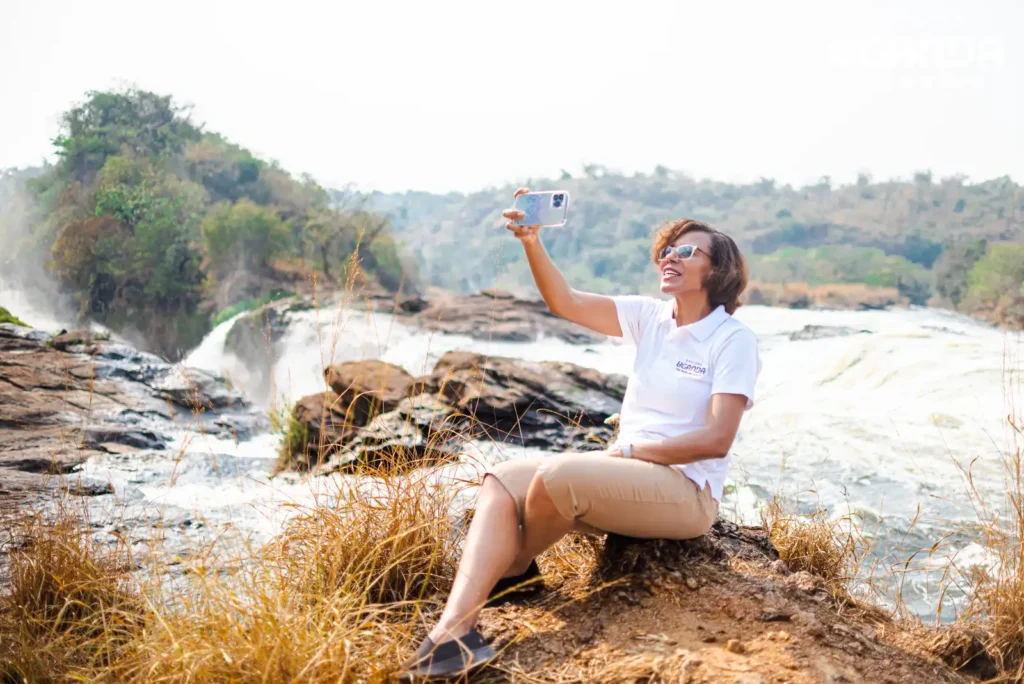
Start by describing what interests you. Saying “I would like time to watch animals feeding and interacting” gives a planner clearer direction than simply asking for more wildlife. Explain whether patient observation matters more to you than photography, a long species list or visiting several destinations.
Then review the whole itinerary. An outing between two transfers may leave little room to pause. A less crowded schedule may offer more flexibility, where viewing rules allow it. Ask which parts of the proposed route can accommodate a slower pace rather than assuming every outing can be extended.
Seek clarity about arrangements, not promises about sightings. A planner may be able to allow more time for observation, but cannot arrange for wild animals to behave in a particular way.
What to look for during a sighting
Follow actions rather than collecting sightings
Instead of asking only “What animal is that?”, ask “What is it doing now?” Choose one visible animal or a small group and follow the sequence of actions:
- Is it feeding, resting or moving?
- Does it pause or change activity while you watch?
- Does it stay near other animals or move away?
- What changes between the start and end of the sighting?
You might notice an animal pause while feeding, change its resting position or move away from a group. These are examples of things to look for, not predictions. An animal may remain largely inactive throughout your viewing time.
Separate observation from interpretation
Describe what you can see before deciding what it means. “One animal moved closer and the other stepped away” is more precise than assigning emotions or relationships that have not been established.
Ask your guide about possible explanations, while leaving room for uncertainty. You may not have seen what happened before you arrived or what is happening beyond your field of view. Curiosity matters more than specialist knowledge.
How much time should you allow?
There is no fixed viewing duration that guarantees an interesting sequence. A short pause may reveal a change in behaviour; a longer wait may reveal very little. Plan for the opportunity to watch rather than a set number of minutes at every sighting.
Ask how much of each outing is available for observation after transfers, briefings and access procedures. Check how the onward schedule affects your departure time.
Viewing limits come first. Local rules, safety instructions, other visitors and any applicable time limits take priority, even when you would like to stay longer.
When to include patient observation
Consider both your travel dates and the timing of the outing within each day. Ask how the proposed schedule relates to the location, expected conditions and access arrangements. A general recommendation about the best season cannot predict which behaviours you will see.
Where possible, avoid placing your main observation opportunity immediately after a tiring transfer or just before a fixed departure. Leave yourself enough energy to watch attentively, and ask how the plan would change if weather or access conditions disrupted the outing.
What to pack
Pack for the confirmed activity rather than buying equipment specifically for behaviour watching. First establish whether you will be observing from a vehicle, on foot or in another permitted setting.
- Binoculars: if you have them, check their focus and comfort before travelling. Do not assume they will be supplied.
- A small notebook: use it to record actions and sequences without keeping a camera raised.
- Suitable clothing: confirm footwear, sun protection and weather protection for the setting.
- Personal essentials: check arrangements for drinking water, prescribed medication and carrying your belongings.
- A camera, if wanted: keep photography secondary if it distracts you from watching.
If Kibale is part of your route, use the Kibale National Park packing checklist as a starting point. Confirm requirements for your specific activity rather than treating one list as suitable for every Uganda outing.
Responsible observation and photography
The aim is to watch behaviour without prompting a response. Do not feed, call to, touch, crowd or deliberately startle wildlife to produce movement or an interaction. Follow your guide’s instructions and the applicable viewing rules.
Keep noise and unnecessary movement low. An animal appearing calm is not permission to approach more closely or change your position.
Photographs can help you remember a moment, but a single image may not explain the sequence around it. If useful, note what happened before and afterwards, and avoid sharing an uncertain interpretation as fact. Put the camera down occasionally so that reviewing pictures does not replace watching.
Fitting behaviour watching into a wider Uganda safari
Patient observation can sit alongside broader wildlife interests. Discuss whether you want a balance between longer pauses and wider exploration rather than expecting every outing to follow the same pace.
If your route includes Kibale, read about wildlife and experiences in Kibale National Park before discussing the proposed visit. The rules and viewing arrangements for each activity still apply.
Agree on the pace with your companions
This approach may suit first-time visitors and experienced safari travellers who enjoy detail, quiet periods and open-ended questions. It may be less satisfying if the main aim is to see as many species or places as possible.
Discuss how long everyone is comfortable waiting at a quiet sighting. Families should consider each child’s attention span and comfort rather than assuming patient watching will suit everyone.
Choose accommodation around the schedule
Ask about transfers between your proposed base and the activity, departure arrangements and meal times. Do not assume a property offers wildlife viewing, quiet rooms or flexible meals unless these details are confirmed.
Leave room for rest rather than filling every gap with another activity. If sleep disruption is a concern, use these accommodation questions for light sleepers when reviewing your options.
Questions to ask before booking
Use this checklist to distinguish arrangements that can be confirmed from wildlife encounters that cannot be promised.
| Planning point | What to ask |
|---|---|
| Observation time | Where can the itinerary allow patient watching, and how much time is taken up by transfers or procedures? |
| Access and limits | What rules affect stopping, movement and viewing duration? |
| Group interests | How will different preferences about pace be handled? |
| Comfort and access | What physical demands, breaks and carrying requirements should we expect? |
| Changed conditions | What happens if the planned outing cannot proceed? |
Frequently asked questions
Can I include behaviour watching in a first Uganda trip?
Yes. Make patient observation a preference when discussing your itinerary. You do not need to identify every animal beforehand. Ask questions and accept that some sightings will be brief or uneventful.
Should I plan independently or use an operator?
Check the requirements of each intended activity first. Independent planning does not necessarily mean independent access or unrestricted viewing. If using an operator, ask how your interests fit the actual arrangements; a private trip does not mean unlimited flexibility.
How early should I raise this interest?
Discuss it before the route, accommodation and transport are finalised, because your preferred pace may influence those choices. Ask about current availability and requirements for the specific proposal rather than relying on a single booking lead time.