
Respectful cultural photography on safari starts before you lift your camera. Whether you are meeting a craft maker, watching a demonstration or joining a cultural visit, the person in front of you should have a genuine choice about being photographed.
Ask clearly, explain how you intend to use the image and accept the answer without pressure. The same care applies to phones, video recordings and photographs taken from a distance. A worthwhile encounter does not need a photograph.
Start with the person, not the photograph
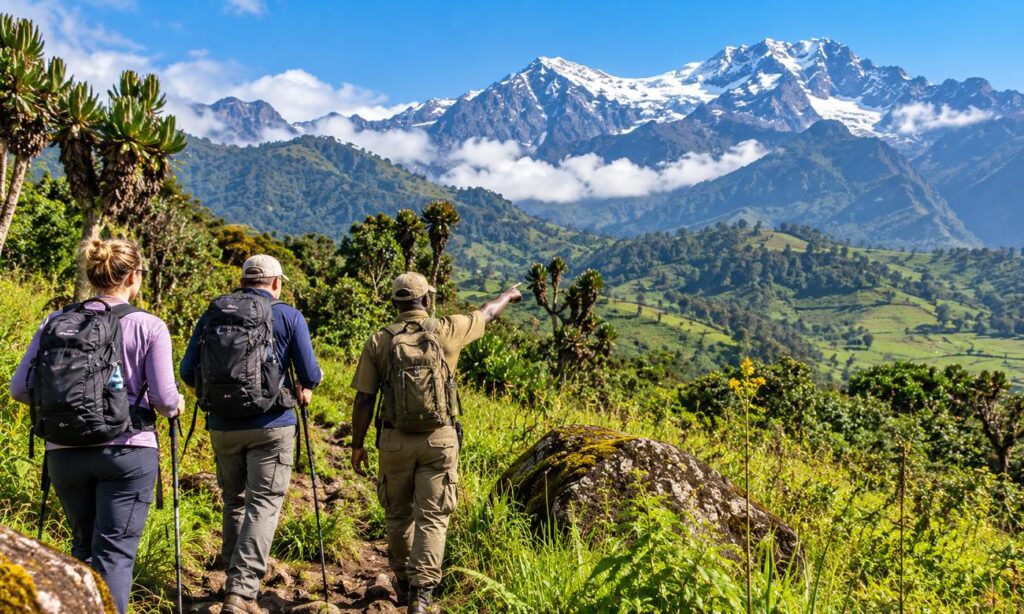
Say hello, listen and show interest in what someone is sharing before reaching for your camera. Avoid interrupting a conversation or demonstration simply because the light or background looks appealing.
People going about their day are not automatically part of a visitor experience. Being in a market, beside a road or outside a workshop does not mean someone has agreed to become the subject of a photograph.
Consider what draws you to the image. Are you interested in the person’s work or a story they have chosen to share? Or are you treating unfamiliar clothing, a home or a difficult situation as something unusual to collect? That pause can help you decide whether to ask, change the composition or put the camera away.
How to ask permission for cultural photography on safari
Keep your camera lowered while you ask. Explain who or what you want to photograph, then wait for an answer before framing the shot. A simple question is better than a hurried request while you are already pressing the shutter.
- “May I take a photograph of you making this?”
- “Would you be comfortable being in a photograph with me?”
- “May I photograph your work without including you?”
- “Is it all right to record a short video with sound?”
These are separate requests. Permission to photograph an object does not necessarily include its maker. Agreement to a still photograph does not automatically cover video or audio.
When you do not share a language
A guide or host may be able to translate your request. Ask them to explain what you want to photograph and how you plan to use the image, rather than simply asking whether photography is generally allowed.
Gestures can help, but they can also be misunderstood. A smile, a wave or a polite response is not a clear agreement. If you cannot establish that someone understands and agrees, do not take the photograph.
Check visit rules as well as individual wishes
At an organised visit, ask the host about photography before the activity begins. There may be boundaries around particular rooms, objects, activities or moments. Paying an entrance fee does not give you unrestricted permission to photograph people.
A host’s approval also does not replace an individual’s choice. In a group setting, check that everyone who will be a recognisable subject is comfortable. If someone prefers not to appear, reframe the image or choose another moment without drawing attention to their refusal.
Explain how you intend to use the image
Someone may welcome a photograph for a personal album but feel uncomfortable appearing on a public account. Explain your plans in ordinary language before taking the picture:
- For a private album: “May I take a photograph to keep in my travel album?”
- For social media: “I would like to share this on my public social media account. Would that be all right?”
- For professional use: explain whether the image is intended for a business, publication, advertising or another professional purpose.
Do not describe an image as a holiday snapshot if you already intend to use it more widely. Professional or commercial use may require additional permissions; do not assume a casual verbal agreement is sufficient.
Keep permission specific. Agreement to one portrait does not mean you can continue photographing someone throughout a visit. Ask again if you switch to filming, move into a private space or want to photograph a different activity.
Accept a refusal without pressure
A refusal does not require an explanation. Thank the person, lower your camera and continue the interaction normally. Do not bargain, keep asking or encourage other travellers to persuade them.
Hesitation matters too. Someone who turns away, covers their face or seems uncertain may not feel comfortable saying no directly. Stop rather than treating the absence of a refusal as permission.
Do not work around a refusal by using a longer lens, photographing from behind or asking another traveller to take the picture.
If someone changes their mind
A person may agree initially and then become uncomfortable. Stop photographing immediately. If they ask you to delete an image, respect that request and check for duplicates. Do not continue sharing a picture simply because permission was given earlier.
If payment is mentioned
If a host or participant mentions a photography fee, clarify what it covers before taking any images. Do not assume a general visit payment includes portraits, or that buying something creates an obligation to pose.
Payment does not replace permission. A person can still decline, and an agreed fee does not automatically cover publication or unrestricted use.
Take extra care when photographing children
Seek permission from a parent or responsible guardian and pay attention to the child’s own wishes. An adult’s agreement should not override a child who looks distressed, turns away or says no. If you cannot identify an appropriate adult to ask, do not take a recognisable portrait.
- Do not offer sweets, money or gifts in exchange for a photograph.
- Do not ask a child to leave their group to pose.
- Avoid images that reveal school details, a home’s location, names on clothing or other private information.
- Do not photograph children in distress, undressed or in situations that compromise their dignity.
Permission to take a child’s photograph is not automatically permission to publish it. Even with permission, consider whether the image could cause embarrassment or reveal more than intended. A photograph of a craft, landscape or shared activity without recognisable children may be a more considerate travel memory.
Check before sharing or identifying people online
Review photographs before posting rather than sharing them immediately from the visit. Look beyond the main subject: someone in the background may be identifiable, while a sign, document or doorway may reveal private information.
Before you publish, ask yourself:
- Did the person understand that I intended to share the image publicly?
- Does the photograph show them respectfully and accurately?
- Have I included anyone else who did not agree to appear?
- Could a name, tag or precise location expose something private?
- Does my caption stick to what I actually know?
Ask separately before naming or tagging someone. You do not need to add a full name, workplace or exact location simply because a platform offers the option. Avoid captions that make assumptions about a person’s income, beliefs, family or way of life.
If your plans change later, seek permission for the new use. A photograph agreed for a private album should not quietly become a promotional image. If you cannot contact the person to check, choose a different image.
Leave room for moments without a camera
Put the camera away when a conversation becomes personal, when permission is unclear or when photography distracts from what your host is explaining.
If someone welcomes a portrait, keep the session considerate. Avoid repeated requests for poses or changes of clothing, setting or expression. You can offer to show them the image, but do not promise to send a copy unless you have an agreed, practical way to do so.
The aim is not to return with the largest collection of portraits. It is to make photographs that respect the people involved—and to recognise when not taking one is the better decision.
Plan cultural visits with photography in mind
If you are considering local market visits in Uganda or cultural village visits in Uganda, check the arrangements and photography boundaries before your visit. Do not assume photography is included or unrestricted.
For a different side of photographing your journey, explore the Jinja and the Source of the Nile Photography and Wildlife Guide. Keep the same thoughtful approach throughout your trip: understand the setting, follow the guidance given and know when to lower your camera.