
Serengeti trip planning starts with what you want from your time there. If wildlife viewing is the priority, your route, overnight base and daily schedule should leave room for observation—not squeeze it between transfers.
This guide helps you assess how Serengeti could fit into a Tanzania journey. Use it to compare itineraries, choose a suitable pace and ask practical questions before booking. Wildlife sightings are never guaranteed, so focus on the arrangements that support the experience you want.
Planning Serengeti around your Tanzania journey
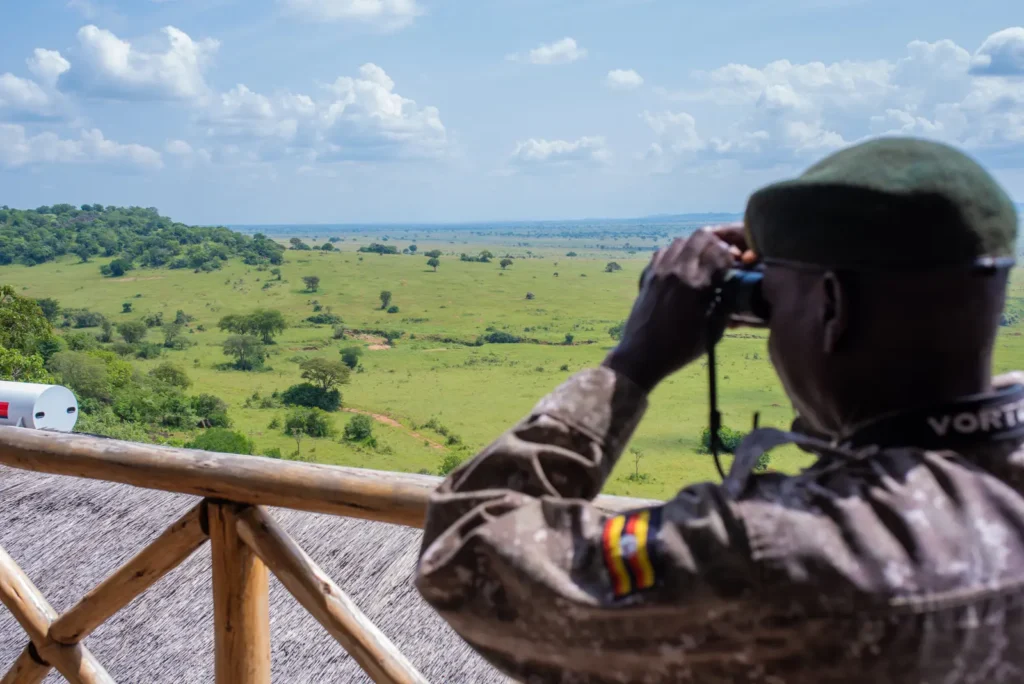
Start with your total time in Tanzania, including arrival and departure arrangements. Separate travel time from time available for activities. A stay can look generous when counted in nights but leave little usable time once transfers and onward connections are included.
Decide whether Serengeti will be your main wildlife focus or one part of a broader route. Either approach can guide your planning, provided the schedule suits your dates, interests and comfort with moving between places.
Write a short brief before comparing itineraries
- Main interests: wildlife observation, photography, family time or a slower-paced safari.
- Fixed commitments: travel dates, arrival arrangements and onward connections.
- Preferred pace: how often you are comfortable changing accommodation and how much time you want to spend travelling.
- Essential needs: accessibility, sleeping arrangements, meals or other requirements that must be confirmed.
Keep this brief beside each proposal. A long list of destinations is not an advantage if the daily arrangements work against your priorities.
What to expect from the experience
Approach wildlife viewing as time to watch and wait, rather than a checklist of sightings. Some travellers want to spend longer observing one encounter; others prefer a broader introduction. Explain your preference before booking, especially if you will share activities with people whose interests differ.
Ask what a typical outing involves: expected time away from your accommodation, breaks and flexibility to adjust plans. Photographs and brief itinerary descriptions rarely explain how a day will work in practice.
Families and travellers with different energy levels should also discuss seating, rest time and accessibility needs. Suitability depends on the actual arrangements, not simply the destination name.
How much time should you allow?
Judge the length of your visit by the time available after reaching your overnight base and before leaving it. Ask for transfers and planned activities to be shown separately.
- Does arrival day include an activity, or is it mainly a travel day?
- How much uninterrupted time is available during the stay?
- Will changing accommodation reduce travel or add another move?
- What can realistically fit before departure?
Do not count arrival and departure days as full wildlife-viewing days unless the arrangements support that. If the schedule feels tight, compare removing another stop with extending the trip. Fewer moves may improve the experience more than an extra night between demanding transfers.
A shorter visit with a clear purpose may still suit you better than a longer stay built around activities you do not want.
Choosing the best time for your Serengeti visit
Match your dates to your interests using current, location-specific advice. A general recommendation about the best season does not establish which area, overnight base or route will suit your visit.
If you have a particular wildlife event or photographic subject in mind, raise it at the enquiry stage. Ask:
- How does this interest affect the proposed area and accommodation?
- What can reasonably be expected on your dates, and what remains uncertain?
- Would flexibility in your dates change the recommendation?
- What weather, access or operational considerations could affect the plan?
Treat wildlife predictions as expectations, not promises. Confirm advice for your specific route before making linked bookings.
Choosing accommodation and a manageable daily pace
Choose accommodation in relation to your route and activities, not only its appearance. Request the property name, location and booking arrangements in writing, then ask how that base affects each day’s travel.
Check the details that matter to your comfort: sleeping arrangements, bathrooms, meals, charging and accessibility. Confirm these for the specific property rather than assuming that a description or accommodation category covers your needs.
If sleep quality is a concern, use these questions for light-sleeping safari travellers to prepare your enquiries.
For a party with different priorities, agree on the daily pace before choosing accommodation. It is easier to build a suitable plan around those needs than to adjust everything after booking.
Combining Serengeti with other places
Assess each additional stop by what it contributes. Does it offer something you particularly want, or mainly add another transfer? You do not need to include every familiar destination to create a worthwhile Tanzania journey.
For each connection, request the transport method, expected travel time and effect on arrival and departure activities. Ask what could change any estimated timings, and leave room around important onward arrangements.
If Arusha is also in your plans, the guide to planning a five-day Arusha safari offers related advice on route and pace. Assess any connection with Serengeti separately; that guide does not confirm a combined route or package.
What to pack
Build your packing list around confirmed transport, accommodation and activities. Check luggage restrictions before choosing a bag or deciding how much camera equipment to carry.
- Comfortable clothing that you can layer, with suitable sun and weather protection.
- Footwear appropriate to the activities actually included.
- Prescribed medication, with personalised travel-health advice sought before departure.
- Travel documents, booking details and essential contacts accessible offline.
- Binoculars, if wildlife observation is a priority.
- Camera batteries, memory cards and protective storage, if needed.
Confirm charging arrangements for your devices. Do not pack for walking or another specialist activity unless it is part of the confirmed programme.
Photography and responsible wildlife viewing
If photography matters, explain what you enjoy photographing and how long you like to spend with a subject. Ask whether the pace and shared arrangements suit that approach, and confirm equipment storage and any restrictions on use.
Do not assume that specialist access, dedicated photographic arrangements or drone use is included or permitted.
- Follow current wildlife-viewing rules and directions from authorised staff.
- Never request closer access that would disturb wildlife or breach rules.
- Accept that responsible viewing may mean a distant sighting or putting the camera away.
- Ask permission before photographing people.
- Keep litter contained and check local guidance on restricted items and disposal.
Serengeti itinerary checklist: what to confirm before booking
Use this checklist to compare proposals and identify questions that still need an answer.
| Planning point | What to request | Why it matters |
|---|---|---|
| Time at the destination | Transfers listed separately from activities. | Shows usable time, not just the number of nights. |
| Overnight base | Named accommodation, location and relevant facilities. | Helps you assess comfort and the daily route. |
| Wildlife interests | Date-specific advice and an explanation of uncertainty. | Avoids treating predictions as guarantees. |
| Transport | Method, expected timings and luggage restrictions. | Supports packing and connection planning. |
| Daily routine | Expected outings, breaks and flexibility. | Checks whether the pace suits your party. |
| Booking terms | Written inclusions, exclusions and change conditions. | Clarifies your commitment before payment. |
Before paying: resolve essential requirements. If something remains provisional, ask when it will be confirmed and what an alternative would mean for your trip.
Frequently asked questions about Serengeti
Can Serengeti fit into a first trip to Tanzania?
It is worth considering if wildlife observation is a priority. Suitability depends on your available time, interests and proposed route. Check that the visit has enough usable time without crowding the rest of the journey.
Should I book independently or use an operator?
Compare who is responsible for accommodation, transport, activities, applicable access requirements and changes. If considering shared travel, the Arusha group safari guide offers related questions to explore. Confirm all Serengeti-specific arrangements separately.
How early should I start planning?
Start once your likely dates and priorities are clear, especially if you have limited flexibility or essential accommodation requirements. Check current availability and written terms before committing to connected travel arrangements.
Take the next step in planning
Bring together your proposed Tanzania route, travel dates, wildlife interests and preferred pace. Add any essential requirements and unresolved questions. These details give you a useful starting point for reviewing how Serengeti could fit, before committing to particular accommodation or a package.