
Waterfall visits in Uganda can offer a landscape-focused break during a wider safari. Before adding one to your itinerary, check three things: whether visitor access is permitted, what reaching the viewing area involves, and how the stop fits your onward journey.
This guide covers timing, walking requirements, packing, photography and the questions to ask before confirming a visit. It does not confirm access to a particular waterfall or establish that a stop is included in any tour.
How to fit a waterfall visit into your Uganda itinerary
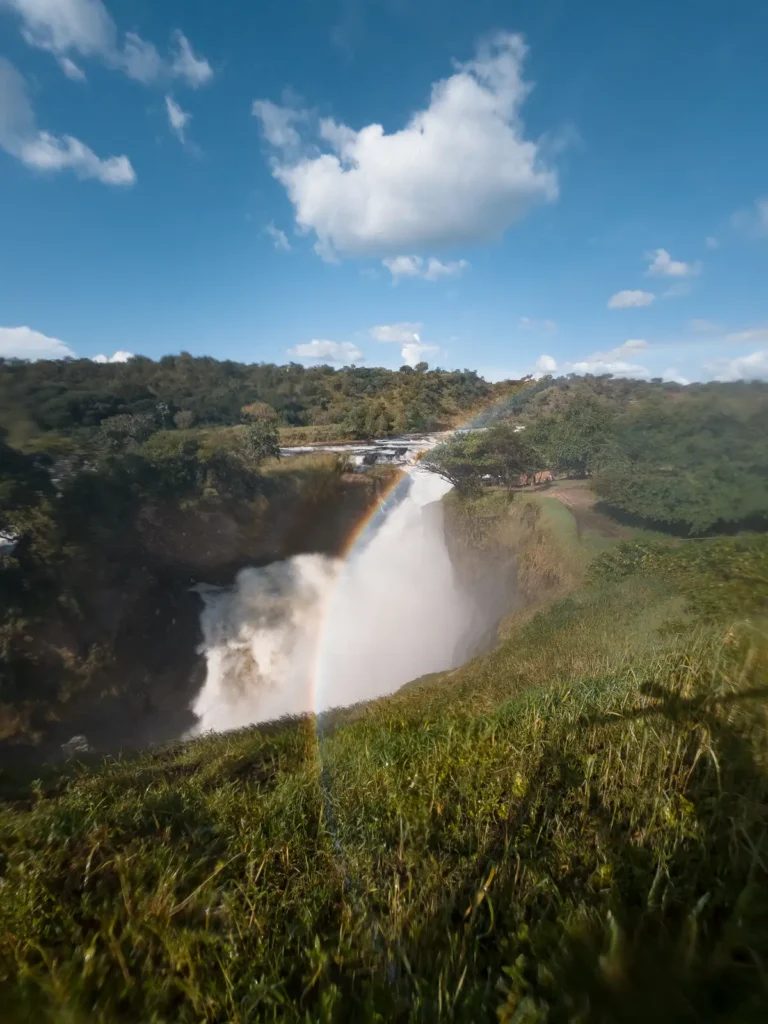
Start with your route rather than a photograph of the waterfall. Identify where you will travel from, where you will sleep afterwards and which activities already have fixed arrangements. Then ask whether the proposed stop leaves enough time for travel, meals and rest.
Be clear about the experience you want. A brief view of moving water is different from a nature walk or a dedicated photography session. Ask whether the proposal involves viewing from an authorised stopping place, walking to a viewpoint or joining a guided activity. Do not assume these are interchangeable.
You can review the 7 Days Uganda Wildlife Safari when considering your broader route. Its inclusion here does not mean that Karuma Falls, or another waterfall stop, is included or can be added.
Keep requests separate from confirmed stops
Before changing accommodation or other bookings, request the proposed stopping location, any permission requirements and the expected physical demands. If those details remain unclear, keep the day workable without the visit. Our guide to reviewing a safari itinerary before booking can help you check what has actually been agreed.
What to expect from waterfall viewing
The experience depends on the permitted viewing position and conditions on the day. You may be able to enjoy the landscape and photograph the water, but you should not assume access to a riverside trail, an unrestricted camera angle or a place close to the falls.
Ask for a practical description of the visit:
- How do you get from the vehicle to the viewing area?
- Are there steps, uneven surfaces or exposed edges?
- How much walking is involved, and where must visitors remain?
- Is seating or step-free access available if needed?
A description such as “easy stop” is not enough to establish suitability. Families should ask about boundaries and supervision; travellers with mobility requirements should request specific access details.
Viewing is not permission to enter the water. Do not treat a waterfall visit as an opportunity for swimming or boating unless a separate, authorised activity has been explicitly confirmed.
How much time should you allow?
There is no single duration that applies to every waterfall visit. Ask for an estimate covering the whole stop: the diversion from your route, access arrangements, walking, viewing and return to the onward journey.
Explain whether you want a brief look or time for photography. Avoid placing an unconfirmed stop immediately before a time-sensitive commitment, and agree what happens if you arrive late. Skipping the visit is better than rushing a walk or safety briefing.
When is the best time to visit?
Choose the day only after checking the route and current conditions. A stop during a transfer may be practical, but that fit needs to be confirmed rather than assumed.
No month-specific access or seasonal viewing information is confirmed here for Karuma Falls. Ask whether weather could affect the proposed visit and whether access needs checking again nearer your travel date. Stronger-looking water in a photograph does not necessarily mean a better or safer visitor experience.
If photography matters, discuss light and timing once the permitted viewpoint is known. Do not rearrange your journey around sunrise or sunset without confirming access at those times.
What to pack and check before you go
Pack for the visit that has been confirmed, not an imagined hike. Keep the items you need accessible rather than buried in your main luggage.
- Secure footwear: choose it according to the walking surfaces and distance described.
- Weather protection: consider a light waterproof layer and sun protection suited to the forecast.
- Drinking water: carry your own rather than relying on unconfirmed facilities.
- Camera protection: bring a suitable cover or bag if rain or spray could affect equipment.
- Personal essentials: keep medication and other necessary items close at hand.
Check toilet, refreshment and rest arrangements separately. If these are unconfirmed, plan breaks elsewhere. Choose your overnight stop around the whole travel day, allowing for the slowest-paced member of your group.
Photography and responsible travel
Confirm photography permissions and follow instructions at the location. Ask separately about tripods, filming and drones; permission to visit does not establish permission to use every type of equipment.
Take photographs only from permitted positions. Do not cross barriers, approach an unprotected edge or move towards the water for a better composition. If the safe view differs from the image you hoped to recreate, change the photograph rather than your position.
Ask before photographing people, avoid blocking other visitors and take your litter away. For more on respectful photography, read Cultural Photography on Safari: Ask Before You Take a Photo.
Waterfall visit planning checklist
Use these questions before accepting a final itinerary. They identify what needs confirming, not what is already available.
| Planning point | What to confirm |
|---|---|
| Access | Current visitor permission and the permitted viewing area. |
| Route and time | The full diversion, visit duration and effect on onward travel. |
| Walking and suitability | Surfaces, steps, boundaries and physical demands. |
| Arrangements and cost | Any guide, booking, permission or payment required, and who arranges it. |
| Comfort | Toilets, refreshments and suitable rest breaks. |
| Changes | Who checks conditions and when the stop should be skipped. |
| Photography | Permitted positions and equipment restrictions. |
Any additional cost should be explained before you agree. No price or tour inclusion is established by this guide.
Frequently asked questions about waterfall visits in Uganda
Can a waterfall visit fit into a first Uganda trip?
It is worth considering if it suits your route, interests and comfort requirements. Prioritise your main experiences first, then assess whether a waterfall stop fits without rushing the day.
Should I arrange the visit independently or through an operator?
Choose based on who can verify access, explain the viewing arrangements and account for onward travel. Either way, you need the same practical answers. Ask whether the stop is confirmed or simply noted as a request.
How early should I raise the request?
Raise it while your route is still flexible, before making bookings around the visit. Ask whether access needs checking again nearer the date and who will tell you if arrangements change.
Plan your next step
When enquiring with Kite Adventure Safaris Company, share your travel dates, proposed Uganda route, group needs and whether you prefer brief viewing or a photography-focused stop. Ask whether the visit is feasible and what still needs confirming.
Use our guide to writing a useful East Africa safari enquiry to organise those details. Keep the waterfall stop provisional until access, timing and arrangements are clear.